Astrantia
Family Apiaceae — Genus Astrantia
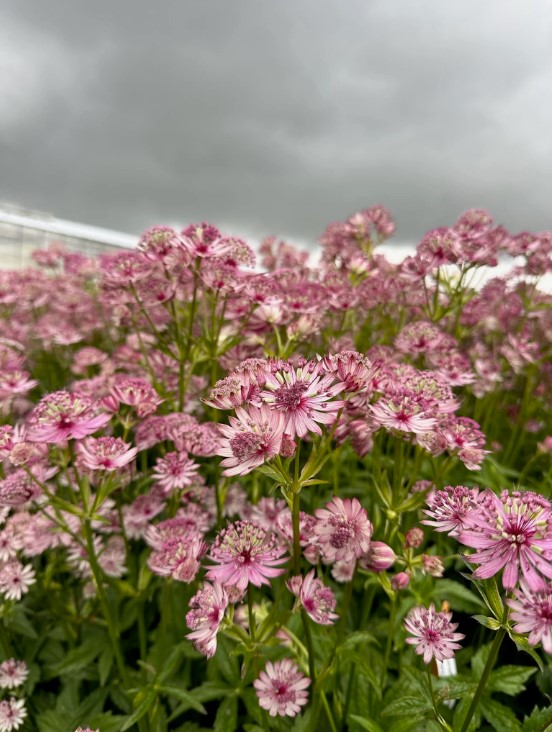
Astrantia, commonly known as masterwort, is a genus of exquisite perennials that have become darlings of sophisticated garden design. Their intricate, pincushion-like flower heads — composed of tiny florets surrounded by a collar of papery, often beautifully colored bracts — possess a refined beauty that sets them apart from bolder garden plants. Native to European meadows and woodland edges, astrantias thrive in the dappled light and moist soil of cottage and woodland gardens.
Quick Facts
Bloom Time
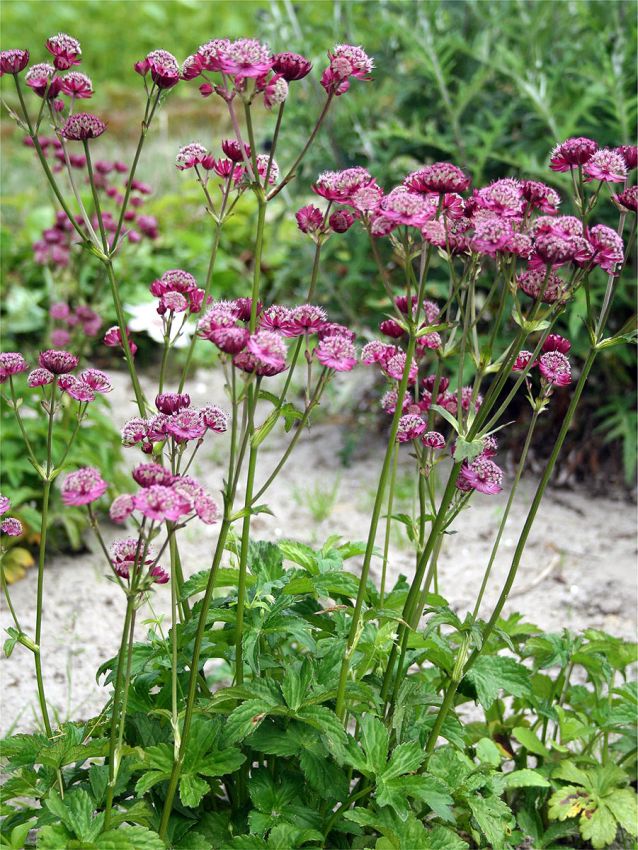
Astrantia flowers from early summer through late summer, producing pincushion-like flower heads composed of tiny florets surrounded by a collar of papery bracts. The flowers have an intricate, jewel-like quality that rewards close inspection. Deadheading promotes extended and repeat blooming well into autumn.
Size and Growth Habit
Astrantia grows 1 to 3 feet tall with a clump-forming habit. The palmately divided, maple-like leaves form an attractive basal mound from which slender, branching flower stems emerge. The plants have a natural, informal appearance that suits cottage and naturalistic planting schemes.
Hardiness Zones
Astrantia performs best in USDA Zones 4 through 7, where cool, moist growing conditions prevail. It struggles in the heat and humidity of Zone 8 and above.
Light Requirements
Astrantia thrives in partial shade to full sun. In cool climates (Zones 4 to 5), it handles full sun beautifully. In warmer zones, afternoon shade is essential to prevent heat stress and extend the bloom season.
Soil and Water Requirements
Astrantia requires consistently moist, rich soil. It does not tolerate drought and will decline quickly if soil dries out. Amend with compost before planting and mulch to conserve moisture. Regular watering is essential throughout the growing season.
Pruning
Deadhead spent flowers to encourage repeat blooming through summer and into early fall. Cut plants to the ground after frost. Astrantia self-sows freely; remove unwanted seedlings or deadhead to prevent spreading.
Summer Care
Maintain consistent soil moisture throughout summer. Astrantia is one perennial that genuinely needs regular watering. Deadhead frequently for continuous bloom. Apply compost mulch to keep roots cool.
Winter Care
Astrantia is fully dormant and cold-hardy. A winter mulch of compost or shredded leaves benefits root health. New growth emerges in mid-spring.
Companion Plants
Pests and Diseases
- Slugs and snails: Can damage foliage, especially in spring. Use organic controls.
- Powdery mildew: Occasional in dry, shaded conditions. Keep soil moist and ensure air circulation.
- Astrantia is generally pest-resistant and trouble-free when its moisture needs are met.
Common Varieties
Toxicity
Non-toxic to pets and humansAstrantia is considered non-toxic to humans and pets. It is safe for all garden settings, including those with children and animals. No known toxic properties have been identified.
Care Difficulty
Astrantia is easy to grow if its one key requirement is met: consistent moisture. In dry gardens, it demands regular watering. In naturally moist sites, it is virtually maintenance-free and long-lived.