Abelia
Family Caprifoliaceae — Genus Abelia
Abelia is a graceful genus of ornamental flowering shrubs loved for arching stems, glossy foliage, fragrant blooms, and long-lasting landscape interest. Easy to grow and highly adaptable, abelia brings soft texture, pollinator value, and months of color to borders, foundation plantings, hedges, containers, mass plantings, and wildlife-friendly gardens. Gardeners choose abelia because it is beautiful without being demanding. Its semi-evergreen to deciduous foliage, extended bloom season, and naturally elegant habit make it a reliable shrub for low-maintenance landscapes with year-round appeal.
Quick Facts
Bloom Time
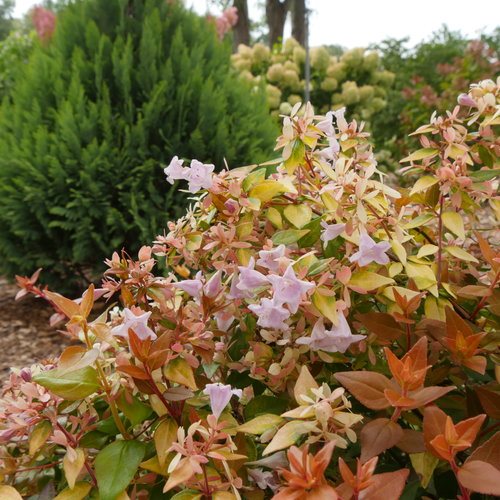
Abelia produces small, tubular, often fragrant flowers from late spring through fall, making it one of the longest-blooming shrubs available. The flowers appear in clusters at the branch tips and are typically white to pale pink, sometimes with a soft lavender blush. After the petals drop, reddish-bronze calyxes remain on the plant for weeks, extending the ornamental display well into autumn. This prolonged bloom period makes abelia exceptionally valuable for pollinators, providing nectar when many other shrubs have finished flowering.
Size and Growth Habit
Abelia shrubs have a graceful, arching growth habit and typically reach 3 to 6 feet tall with a similar spread, though some vigorous varieties can grow larger if left unpruned. The branching structure is fine-textured and fountain-like, creating a mounded silhouette that blends naturally into mixed borders. Slender, glossy leaves are semi-evergreen in milder climates and deciduous in colder zones. New growth often emerges with a bronze or reddish tint before maturing to a rich dark green, adding seasonal color interest even without flowers. Growth rate is moderate, with most cultivars adding 12 to 24 inches of new growth per year under favorable conditions.
Hardiness Zones
Abelia performs best in USDA Hardiness Zones 6 through 9. In Zone 6, plants may die back to the ground in severe winters but typically recover from the roots in spring. In Zones 7 through 9, abelia remains semi-evergreen and suffers minimal cold damage. Select sheltered planting sites and apply mulch in borderline zones to improve winter survival.
Light Requirements
For the most prolific flowering, plant abelia in full sun, where it receives at least six hours of direct sunlight daily. Abelia also tolerates partial shade, especially afternoon shade in hotter climates (Zones 8 and 9), but expect reduced bloom density and a more open growth habit in lower-light conditions. In deep shade, abelia becomes leggy, produces few flowers, and loses much of its ornamental appeal. Morning sun with afternoon shelter is an excellent compromise in hot southern gardens.
Soil and Water Requirements
Abelia grows best in moist, fertile, well-drained soil with a slightly acidic to neutral pH (5.5 to 7.0). It adapts to a range of soil types including clay, loam, and sandy soils, provided drainage is adequate. Waterlogged conditions lead to root rot and are the primary cause of abelia decline.
- Watering frequency: Water deeply once or twice per week during the first growing season to establish roots. Once established, abelia is moderately drought-tolerant and needs supplemental watering only during extended dry spells.
- Mulching: Apply a 2 to 3 inch layer of organic mulch around the base to conserve moisture, regulate soil temperature, and suppress weeds. Keep mulch several inches away from the trunk to prevent rot.
- Drainage: Avoid planting in low-lying areas where water collects. Amend heavy clay soil with compost or coarse organic matter to improve drainage.
Fertilizer Requirements
Abelia has modest nutritional needs. Apply a balanced slow-release fertilizer (such as 10-10-10 or a granular shrub formula) once in early spring as new growth begins. Avoid fertilizing after midsummer, as late-season growth is more vulnerable to winter damage. Over-fertilizing promotes soft, leggy growth at the expense of flowers. In organically managed gardens, a topdressing of compost in spring provides sufficient nutrition for healthy growth and abundant bloom.
Pruning
Abelia blooms on new wood, which gives gardeners flexibility in pruning timing. The best time to prune is late winter to early spring, before new growth begins.
- Maintenance pruning: Remove dead, damaged, or crossing branches annually to maintain airflow and shape.
- Rejuvenation pruning: Older, overgrown plants can be cut back hard to 6 to 12 inches from the ground in late winter. They typically recover quickly and produce vigorous new growth by midsummer.
- Shaping: Light tip-pruning after the first flush of bloom can encourage a second wave of flowers and keep the plant compact.
- Avoid: Heavy pruning in fall, which stimulates tender growth susceptible to cold damage.
Summer Care
During summer, abelia is at its showiest, covered in flowers and buzzing with pollinators. Maintain consistent moisture, especially during the first two seasons after planting. In extreme heat, container-grown abelias may need daily watering. Deadheading is not strictly necessary since the persistent calyxes are ornamental, but removing spent flower clusters can encourage additional bloom flushes. Watch for signs of stress in newly planted specimens: wilting leaves, leaf scorch, or slow growth may indicate insufficient water or too much direct afternoon sun.
Winter Care
In Zones 7 through 9, abelia needs minimal winter protection. The semi-evergreen foliage may take on attractive bronze or purple tones in cold weather, adding winter interest. In Zone 6 and marginal areas, apply a 3 to 4 inch layer of mulch over the root zone after the ground freezes to insulate roots. Avoid wrapping in burlap, which can trap moisture and promote disease. If the top growth dies back in a harsh winter, wait until mid-spring before pruning, as many shoots will regenerate from the base. Avoid applying fertilizer or pruning in fall, as this can reduce cold hardiness.
Companion Plants
Abelia's fine texture and long bloom season make it an excellent partner for a wide range of garden plants. Consider pairing it with these proven companions for color, texture, and seasonal contrast:
Pests and Diseases
Abelia is remarkably resistant to most serious pests and diseases, which is one of the reasons it is so widely planted. However, a few issues can occasionally arise:
- Aphids: Soft-bodied insects that cluster on new growth and flower buds. Dislodge with a strong jet of water or treat with insecticidal soap. Encourage natural predators such as ladybugs and lacewings.
- Spider mites: Tiny pests that cause stippled, discolored leaves, particularly during hot, dry weather. Improve air circulation, maintain adequate watering, and treat with horticultural oil if infestations are heavy.
- Powdery mildew: A fungal disease that appears as a white, powdery coating on leaves, especially in humid conditions with poor air circulation. Prevent by spacing plants properly and avoiding overhead watering. Fungicidal sprays can treat established infections.
- Root rot: Caused by waterlogged soil. Ensure proper drainage at planting and avoid over-irrigation. There is no cure for advanced root rot; prevention is essential.
- Anthracnose: Leaf spot disease that causes brown or black irregular patches. Remove affected foliage, improve airflow, and apply a copper-based fungicide if the problem persists.
Propagation Methods
Abelia can be propagated through several methods, with softwood and semi-hardwood cuttings being the most reliable for home gardeners:
- Softwood cuttings (early summer): Take 4 to 6 inch cuttings from the current season's growth. Remove the lower leaves, dip the cut end in rooting hormone, and insert into a well-draining propagation mix. Maintain high humidity using a plastic cover or mist system. Roots typically develop within 4 to 6 weeks.
- Semi-hardwood cuttings (late summer): Take cuttings from partially mature stems that are beginning to firm up. This method has a slightly higher success rate than softwood cuttings because the stems are less prone to wilting.
- Layering: Bend a low-growing branch to the ground, wound the underside slightly, and pin it in contact with the soil. Cover with a thin layer of compost. Roots form at the buried section over several months. Sever from the parent plant once rooted.
- Division: Mature, multi-stemmed plants can sometimes be carefully divided in early spring. This is less common than cuttings but works for suckering varieties.
Common Varieties
There are many excellent abelia cultivars available, bred for improved flower color, compact habit, variegated foliage, or enhanced cold hardiness:
Toxicity
Non-toxic to pets and humansAbelia is considered non-toxic to dogs, cats, horses, and humans. It is not listed on the ASPCA toxic plant database and has no known record of causing poisoning in domestic animals or people. This makes abelia an excellent choice for gardens frequented by children and pets. As with any ornamental plant, ingestion of large quantities of foliage may cause mild digestive upset, but abelia poses no serious toxicological risk.
Care Difficulty
Abelia ranks among the easiest ornamental shrubs to grow. It tolerates a range of soils, handles moderate drought once established, resists most pests and diseases, and requires only basic annual pruning. Even in less-than-ideal conditions, abelia tends to reward gardeners with reliable bloom and attractive foliage.