L'identificatore AI per tutti
Plants Findr è uno strumento gratuito AI per identificare piante.
77.000+ specie in 19 lingue. Nel browser.
🌿 Start Identifying PlantsCerca pianta per immagine o scatta una foto per identificare. Identificatore piante da foto gratuito riconosce 77.000+ specie. Senza app — ricerca immagine pianta nel browser.
o clicca per sfogliare • JPG, PNG, WebP
Analisi in corso...
AI confronta con 77.000+ specie
Qualcosa è andato storto. Riprova.
Scatta una foto — fiore, albero o pianta da interno — e il nostro AI ti dirà cos'è. Confronto con 77.000+ specie.
AI analizza morfologia fogliare, struttura fiorale e forma complessiva.
Funziona per piante comuni e rare. Nel browser.
Addestrato su milioni di campioni d'erbario.
Punta la fotocamera — risultato in 5 secondi.
Piante di tutti gli ecosistemi.
Nessun abbonamento, nessun costo nascosto.
Altre app costano 30–50€/anno. Il nostro è gratis.
Da qualsiasi dispositivo. Nessun account.
| Funzionalità | Plant Findr | App a pagamento |
|---|---|---|
| Prezzo | Gratis | 30–50€/anno |
| Database specie | 77,000+ | 10.000–30.000 |
| Lingue | 6 | 1–3 |
| Download app | Non necessario | Richiesto |
| Account | No | Yes |
| Fotocamera | Yes | Yes |
Premi il pulsante fotocamera, punta verso la pianta, scatta.
Funziona su iPhone, Android e tablet.
Ideale durante escursioni, passeggiate in giardino o visite ai vivai.
Identifica ogni pianta nel tuo giardino.
Verifica compatibilità e specie invasive.
Per fiori, alberi, ortaggi ed erbe.
Scegli la parte più visibile.
La morfologia fogliare è uno dei segnali più forti. AI analizza forma, bordi, venature e tessitura.
Tip: Photograph a single leaf flat against a plain background. Include both the front and back if possible. This gives the AI the clearest view of the leaf morphology for accurate identification.
Flower structure — petal count, color, shape, and arrangement — is often the fastest route to accurate plant identification. Many species have unique flower forms that the AI can match with high confidence.
Tip: Photograph the flower from directly above, with the petals fully open. If the plant has multiple blooms, photograph one individual flower up close.
Fruit shape, color, size, and seed arrangement provide strong identification signals. This is especially useful for trees and shrubs in autumn when flowers are gone but fruits are visible.
Tip: Photograph the fruit still attached to the branch if possible. Include a size reference like a coin or your hand. Show the fruit from multiple angles.
Bark is useful for tree identification when leaves or flowers aren't available — like in winter. The AI reads bark texture (smooth, furrowed, peeling), color, and lenticel patterns.
Tip: Photograph the bark at chest height on the trunk. Get close enough to show texture detail. Avoid sections with moss or lichen covering the bark.
The overall growth form — tree, shrub, vine, herb, grass — gives the AI broad classification context. Combined with plant ecology and habitat clues visible in the photo, this can narrow down results quickly.
Tip: Step back enough to capture the full plant. Include the base and top. This works well for trees, large shrubs, and distinctive plants like cacti or palms.
Che tu coltivi, studi o sia semplicemente curioso.
Identifica piante sconosciute nel giardino.
Fiore selvatico sul sentiero? Identificalo subito.
Per lavoro sul campo e progetti botanici.
Identifica l'albero in giardino o la pianta in casa.
AI + 77.000+ specie. 19 lingue.
Sì, 100%. Senza abbonamenti.
Sì. Carica un'immagine — AI analizza.
Sì. In qualsiasi browser.
Esattamente. Apri e identifica.
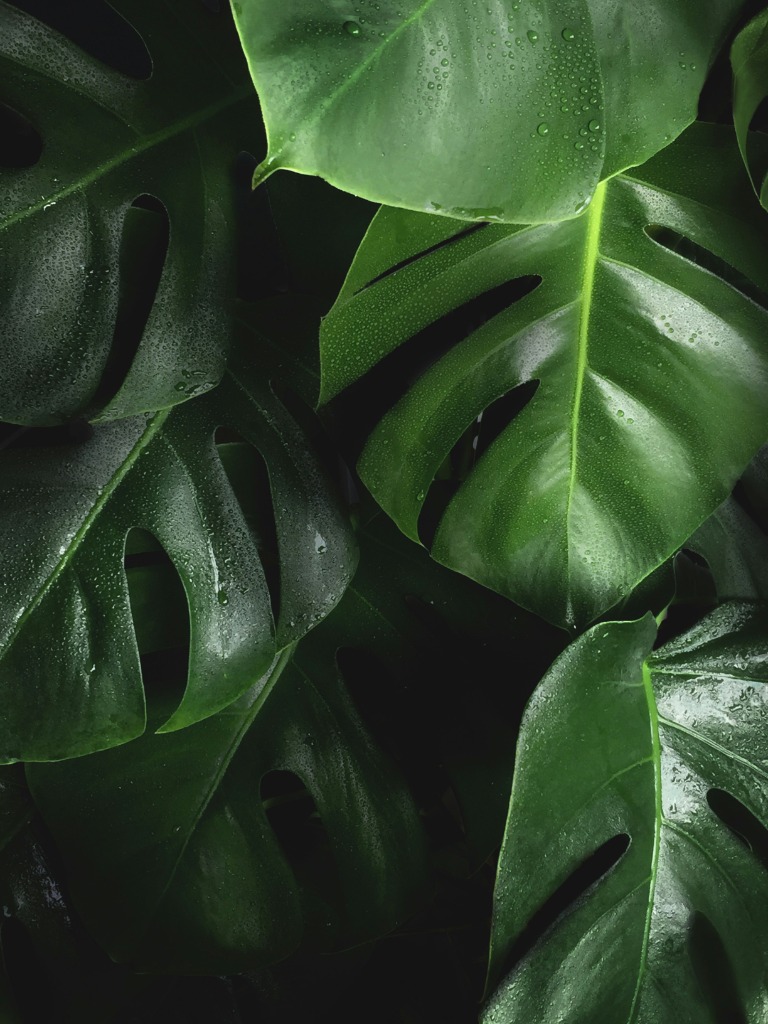
Plants Findr è uno strumento gratuito AI per identificare piante.
77.000+ specie in 19 lingue. Nel browser.
🌿 Start Identifying Plants