Asclepias
Family Apocynaceae — Genus Asclepias
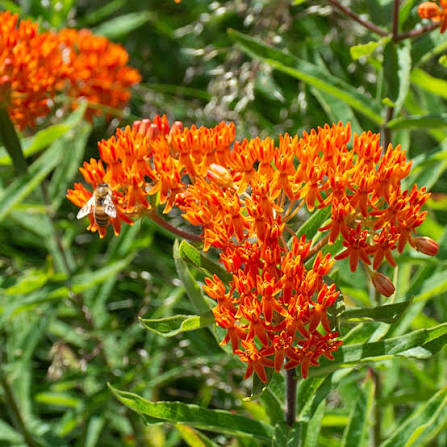
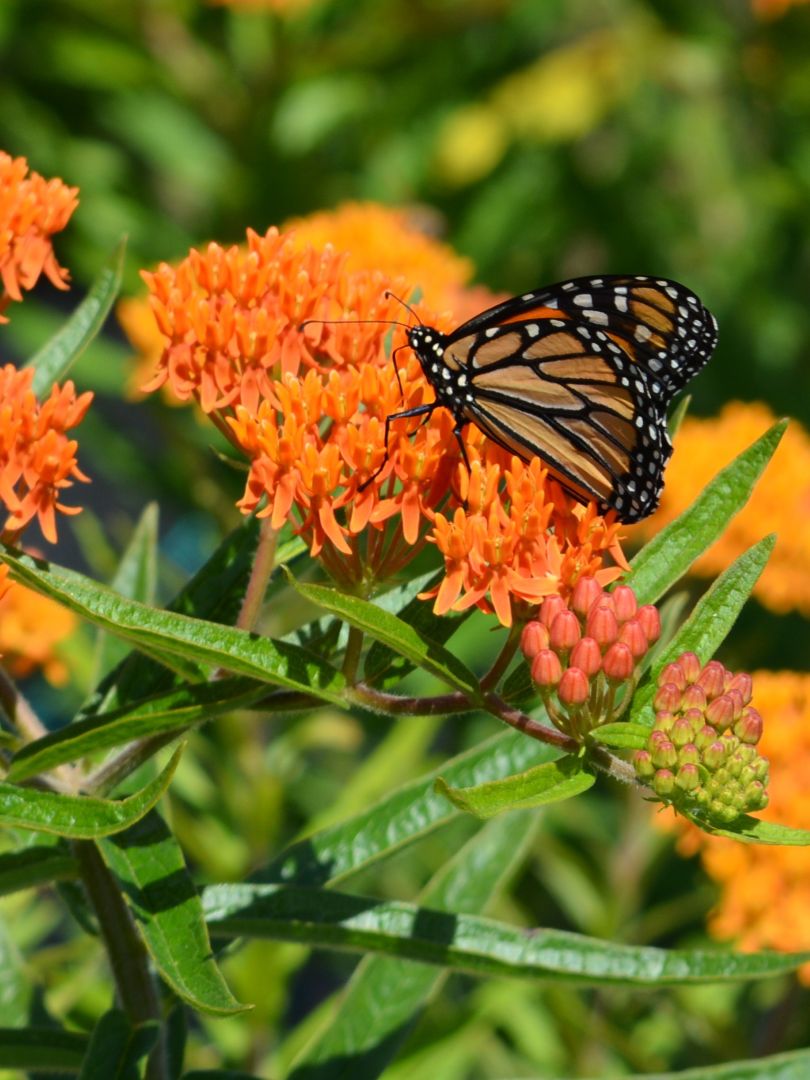
Asclepias, commonly known as milkweed, is a genus of native perennials that have become essential plants in conservation gardens. As the sole host plant for monarch butterfly caterpillars, milkweed is critical to the survival of this iconic species. Beyond their ecological importance, milkweeds are beautiful garden plants with showy flower clusters, interesting seed pods, and excellent drought tolerance in many species.
Quick Facts
Bloom Time
Milkweed flowers from early to late summer depending on species, producing clusters of complex, star-shaped flowers that are magnets for butterflies and bees. The flowers are followed by distinctive elongated seed pods that split open in fall to release seeds attached to silky parachutes, creating a memorable late-season display.
Size and Growth Habit
Milkweed varies by species from compact 2-foot plants (A. tuberosa) to robust 5-foot stands (A. syriaca). Growth habit ranges from clump-forming to aggressively spreading via underground rhizomes. The distinctive milky sap (latex) for which the genus is named flows from cut or damaged stems.
Hardiness Zones
Milkweed species span USDA Zones 3 through 9, with native species available for nearly every North American climate. A. tuberosa and A. incarnata are among the most widely adaptable.
Light Requirements
Most milkweed species require full sun for the best growth and flowering. A. tuberosa in particular demands full sun and well-drained soil. Some species like A. incarnata tolerate light shade.
Soil and Water Requirements
Soil requirements vary dramatically by species. A. tuberosa demands well-drained, sandy to average soil and is very drought-tolerant. A. incarnata thrives in moist to wet soil. A. syriaca adapts to almost anything. Match species to your site conditions for best results.
Pruning
Cut back dead stems in late fall or early spring. Leave seed pods to split and disperse for new plants. Avoid pruning during the growing season, as monarch caterpillars may be feeding on the foliage.
Summer Care
Summer is milkweed's peak season. Watch for monarch eggs (tiny white dots) and caterpillars (black, white, and yellow striped) on leaves. Do not use pesticides of any kind on or near milkweed. Water drought-tolerant species sparingly.
Winter Care
Milkweed is fully dormant and cold-hardy. The dry stems and split pods provide winter interest. New growth emerges late in spring; do not disturb the planting area prematurely.
Companion Plants
Pests and Diseases
- Aphids (oleander aphids): Bright orange-yellow aphids often cluster heavily on milkweed. While unsightly, they rarely cause permanent damage. Rinse with water if desired, but avoid insecticides that harm monarch larvae.
- Milkweed beetles: Red and black beetles that feed on leaves. Cosmetic damage only.
- Do NOT use pesticides on milkweed, as they will kill the monarch caterpillars you are trying to support.
Common Varieties
Toxicity
Mildly toxic — use cautionMilkweed contains cardiac glycosides in its milky sap that are toxic if ingested in large quantities. This toxicity is what makes monarch butterflies distasteful to predators — they sequester the toxins from the milkweed they consume as caterpillars. The sap can cause skin and eye irritation on contact. Handle with gloves and wash hands after working with the plants.
Care Difficulty
Once established, native milkweed species are nearly indestructible. They require minimal care and provide enormous ecological value. The main challenge is selecting the right species for your specific soil conditions.