Acer
Family Sapindaceae — Genus Acer
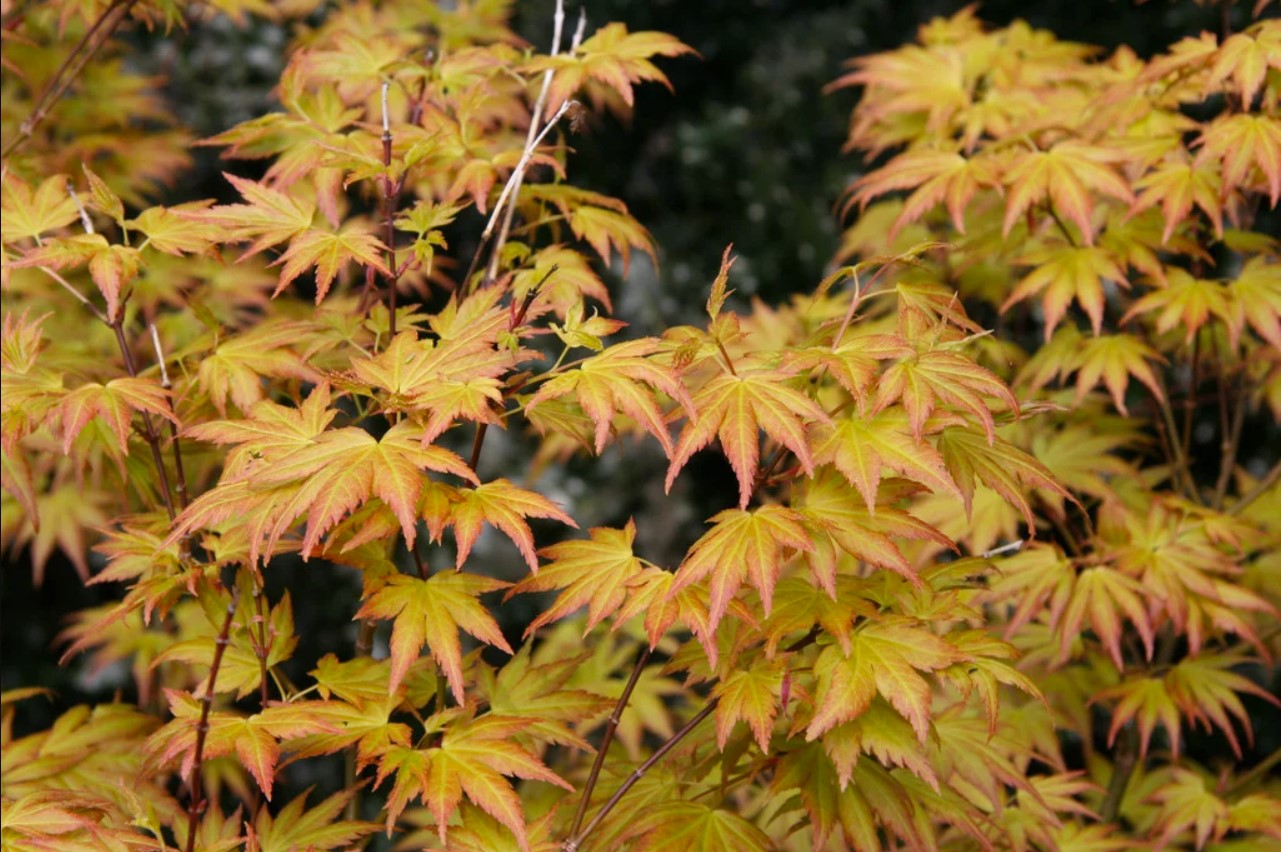
Acer, the maples, form one of the most important and widely planted genera of deciduous trees and shrubs in temperate gardens worldwide. Renowned for their spectacular autumn foliage, elegant form, and incredible diversity of over 130 species, maples range from towering shade trees to delicate dwarf cultivars suitable for containers and courtyard gardens. From the blazing scarlet of sugar maples lining New England roads to the sculptural elegance of Japanese maples in intimate courtyard settings, the genus Acer provides some of the most iconic and beloved plants in all of horticulture.
Quick Facts
Bloom Time
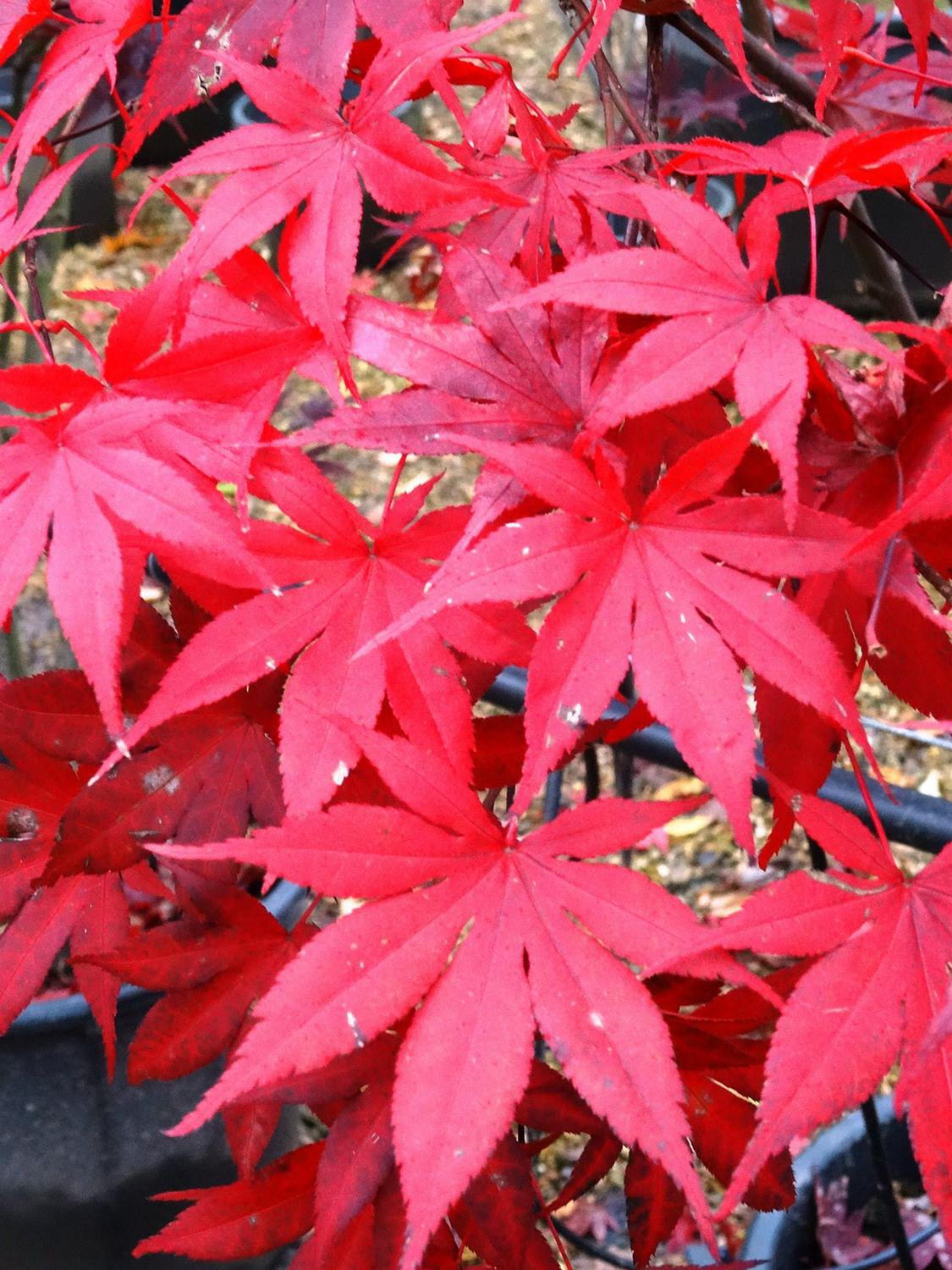
Maples produce small, often inconspicuous flowers in early spring, typically before or just as the leaves emerge. While the flowers of most species are subtle, the red and silver maples (Acer rubrum and A. saccharinum) produce attractive clusters of red or yellow flowers that provide early-season color. The flowers are followed by the distinctive winged seeds (samaras), which helicopter to the ground in late spring or fall depending on the species. The real ornamental show comes with the autumn foliage, which can be spectacular in shades of red, orange, yellow, and burgundy.
Size and Growth Habit
Maples range enormously in size. Large species such as Acer saccharum (Sugar Maple) reach 60 to 75 feet tall with broad, rounded canopies, while Acer palmatum (Japanese Maple) cultivars may grow just 4 to 8 feet tall and wide. Growth rates vary dramatically: silver maples are among the fastest-growing shade trees, adding 3 to 5 feet per year, while Japanese maples grow slowly at 6 to 12 inches annually. Most maples are deciduous with the palmate, lobed leaves that make them instantly recognizable, though leaf shape varies from deeply cut laceleaf forms to simple, unlobed leaves in some species.
Hardiness Zones
Maples span USDA Zones 3 through 9 depending on species. Sugar maples (A. saccharum), Norway maples (A. platanoides), and red maples (A. rubrum) handle extreme cold down to Zone 3, while Japanese maples (A. palmatum) prefer milder conditions in Zones 5 to 8. Trident maple (A. buergerianum) and Japanese maple extend into Zone 9. Select species and cultivars appropriate for your specific zone and microclimate for the best long-term performance.
Light Requirements
Most maples grow best in full sun to partial shade. Large shade trees like sugar maple, Norway maple, and red maple perform best in full sun where they develop the most symmetrical canopy and the most intense autumn color. Japanese maples often prefer afternoon shade, especially in Zones 7 and 8, to prevent leaf scorch. Variegated and red-leaved cultivars may fade in intense sunlight or burn at the margins. Morning sun with afternoon protection is an ideal compromise for delicate cultivars.
Soil and Water Requirements
Maples prefer moist, well-drained, slightly acidic soil (pH 5.5 to 6.5). They tolerate a range of soil types but struggle in compacted, highly alkaline, or waterlogged conditions. Most maples have relatively shallow, fibrous root systems and benefit from a mulch ring to maintain soil moisture and moderate temperature. Water newly planted trees deeply and regularly during the first two to three growing seasons. Once established, most large maples are moderately drought-tolerant, but Japanese maples always benefit from consistent moisture.
Pruning
Prune maples in late summer or early fall to minimize sap bleeding, which occurs heavily if pruned in late winter or early spring. Remove dead, crossing, or damaged branches to maintain structure and airflow. Japanese maples respond beautifully to careful structural pruning that reveals their elegant branching architecture — this is best done when the tree is dormant, accepting some sap flow. Avoid heavy pruning of mature shade trees, as large wounds heal slowly and can invite disease.
Summer Care
During summer, maintain consistent moisture for Japanese maples and all newly planted specimens. Apply or refresh mulch around the root zone to conserve moisture and regulate soil temperature. Watch for leaf scorch on delicate cultivars during heat waves — temporary shade cloth can protect vulnerable Japanese maples. Spider mites and aphids are more active in hot weather; inspect leaves regularly and treat early if detected.
Winter Care
Most maples are fully dormant and cold-hardy in winter within their recommended zones. Protect the trunks of young trees from sunscald (frost cracking) by wrapping with tree guard or white tree wrap during the first few winters. Japanese maples in containers should be moved to a sheltered, unheated garage or covered area to prevent root damage from hard freezes, as container roots lack the insulation of in-ground soil.
Companion Plants
Pests and Diseases
- Verticillium wilt: A serious soil-borne fungal disease causing sudden branch dieback and wilting. Remove affected branches well below the wilted area. No chemical cure exists; maintain tree vigor through proper watering and fertilizing.
- Tar spot: Black spots and raised blisters on leaves appearing in late summer and fall. Purely cosmetic and does not harm the tree. Remove fallen leaves to reduce spore buildup for the following year.
- Aphids: Common on new growth, particularly on Norway maples, causing curled leaves and honeydew. Usually managed adequately by natural predators such as ladybugs and lacewings.
- Scale insects: Hard-shelled insects on bark and stems. Treat with dormant oil sprays in late winter before bud break.
- Anthracnose: Fungal leaf disease causing irregular brown patches. Most damaging in cool, wet spring weather. Improve air circulation and remove fallen leaves.
Common Varieties
Toxicity
Non-toxic to pets and humansMost maple species are non-toxic to humans, dogs, and cats. However, an important exception exists for horse owners: wilted or dried red maple (Acer rubrum) leaves are highly toxic to horses and can cause severe hemolytic anemia, which can be fatal. Keep horses away from all fallen red maple leaves and branches. Maple sap and seeds are not toxic and sugar maple sap is, of course, the source of maple syrup.
Care Difficulty
Large maples are low-maintenance shade trees once established, requiring only occasional pruning and monitoring. Japanese maples require more attention to siting, watering, and protection from sun and wind, but reward gardeners with unmatched beauty and four-season interest.