Aster
Family Asteraceae — Genus Aster / Symphyotrichum
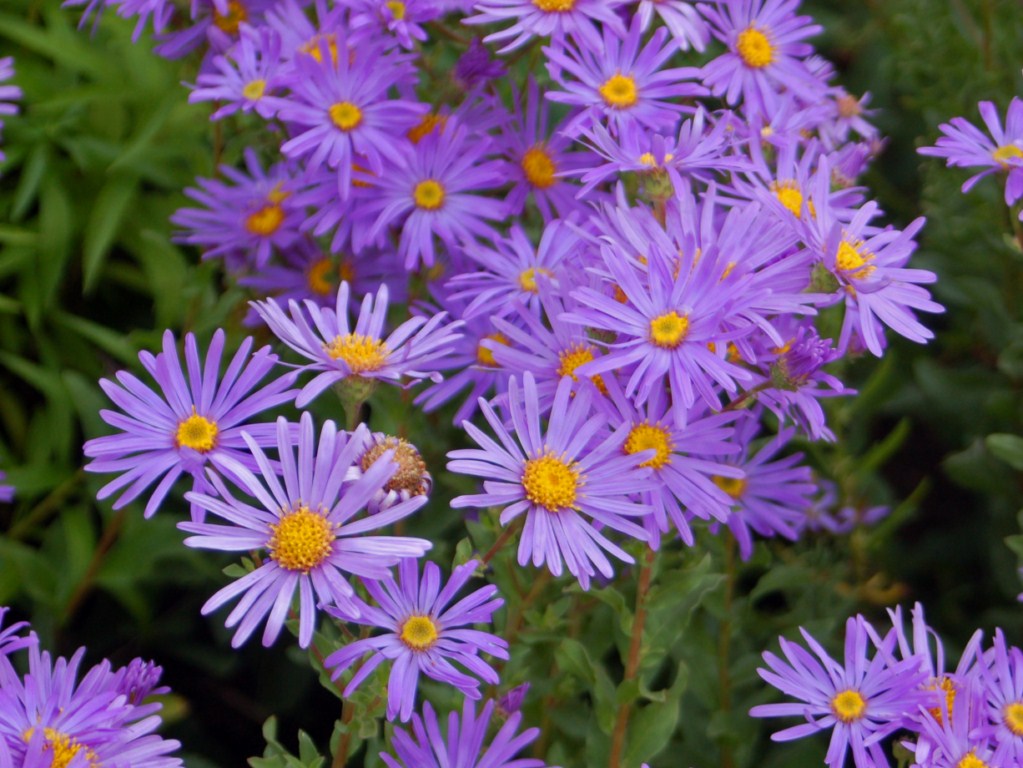
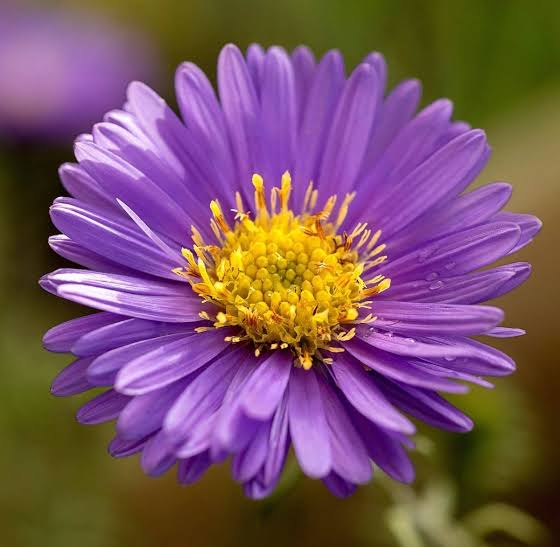
Aster (now largely reclassified as Symphyotrichum in North America) is a genus of fall-flowering perennials that bring the growing season to a glorious conclusion. Their masses of daisy-like flowers in shades of purple, blue, pink, and white blanket the autumn garden with color when most other perennials have finished. Asters are essential for pollinator gardens, providing critical late-season nectar for migrating monarch butterflies and native bees preparing for winter.
Quick Facts
Bloom Time
Asters are the definitive fall-blooming perennials, producing masses of daisy-like flowers from late August through November. Many species peak in September and October, providing critical late-season nectar for migrating butterflies and other pollinators. A single well-established plant can produce hundreds or even thousands of individual flowers.
Size and Growth Habit
Asters range from compact 1-foot mounds (A. novi-belgii dwarf cultivars) to towering 6-foot plants (A. novae-angliae). Most garden varieties fall in the 2 to 4 foot range. Growth habit varies from tight, bushy mounds to open, airy sprays depending on species and cultivar.
Hardiness Zones
Most asters are hardy in USDA Zones 3 through 8. New England asters (A. novae-angliae) are among the hardiest perennials, tolerating Zone 3 cold. Some European asters extend into Zone 9.
Light Requirements
Asters perform best in full sun with at least 6 hours of direct sunlight daily. In partial shade, plants become leggy, flop over, and are more susceptible to powdery mildew.
Soil and Water Requirements
Asters grow well in average, well-drained soil. Most species tolerate moderate drought once established. Avoid overly rich, moist soil that promotes leggy growth and disease.
Pruning
Pinch stems back by half in late May or early June (Chelsea Chop) to promote compact, bushy growth and more flowers. This eliminates the need for staking. Divide clumps every 2 to 3 years in spring to maintain vigor.
Summer Care
Maintain moderate moisture. The key summer task is the late-May pinch-back (Chelsea Chop) that produces compact, self-supporting plants covered in flowers by fall.
Winter Care
Asters are fully cold-hardy. Leave dried stems standing for winter interest and to provide shelter for overwintering beneficial insects. Cut back in early spring before new growth emerges.
Companion Plants
Pests and Diseases
- Powdery mildew: The most common problem, especially with New York asters (A. novi-belgii). Choose mildew-resistant varieties and ensure good air circulation.
- Aster wilt: Fungal disease causing sudden wilting. Remove affected plants. Rotate planting locations.
- Lace bugs: Cause stippled, bleached leaves. Treat with insecticidal soap if severe.
Common Varieties
Toxicity
Non-toxic to pets and humansAsters are completely non-toxic to humans and all pets. They are safe for all garden settings. Some species have been used in traditional medicine.
Care Difficulty
Asters are easy to grow with one simple trick: the late-May pinch-back that transforms leggy plants into compact, floriferous mounds. Regular division maintains vigor. Choose mildew-resistant varieties to minimize maintenance.