Artemisia
Family Asteraceae — Genus Artemisia
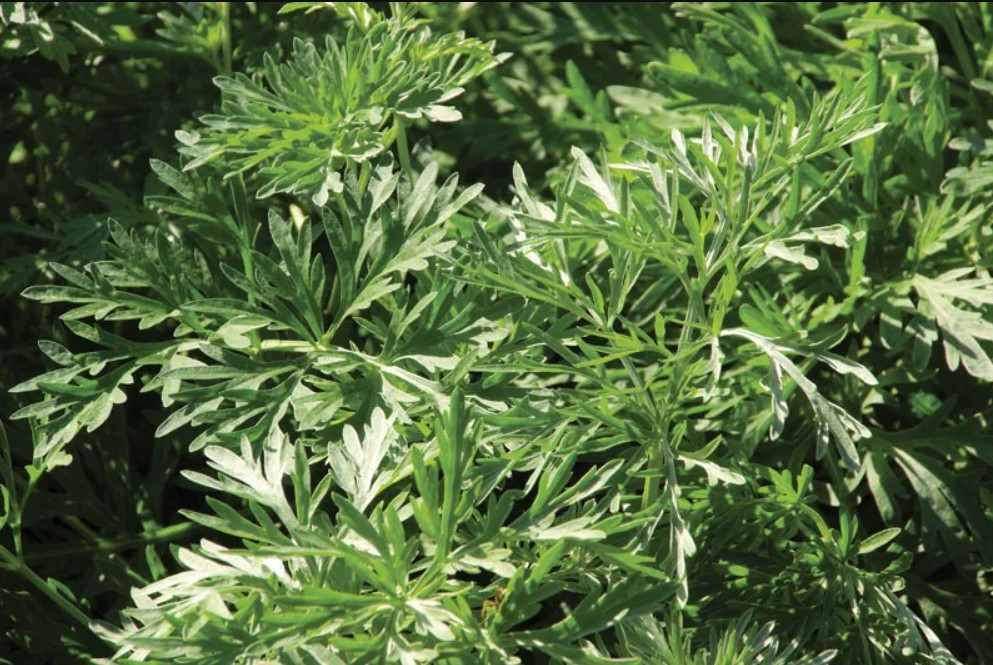
Artemisia, commonly known as wormwood, mugwort, or sagebrush, is a large genus of aromatic plants prized primarily for their stunning silver and grey foliage rather than their flowers. These tough, drought-tolerant plants bring luminous, cooling tones to hot borders, providing invaluable contrast against darker greens and vivid flower colors. The genus includes culinary herbs (tarragon) and plants of historical significance (absinthe).
Quick Facts
Bloom Time
Artemisia is grown primarily for its silvery, aromatic foliage rather than its flowers. The small, insignificant yellow or cream flowers that appear in late summer are generally removed to maintain the foliage display. The silvery leaves provide invaluable contrast and visual relief among brighter-colored plants.
Size and Growth Habit
Artemisia ranges from low, spreading ground covers just 6 inches tall (A. schmidtiana 'Silver Mound') to upright shrubs reaching 4 to 5 feet (A. absinthium). Most garden varieties fall in the 1 to 3 foot range. The foliage is typically finely divided and silky, creating a soft, feathery texture.
Hardiness Zones
Artemisia is hardy in USDA Zones 3 through 9 depending on species. Most garden varieties tolerate both extreme cold and considerable heat, provided drainage is excellent.
Light Requirements
Artemisia demands full sun. The silver foliage color that makes it so valuable develops best in strong, direct light. In shade, plants become leggy, lose their silver coloring, and are prone to disease.
Soil and Water Requirements
Artemisia thrives in well-drained, lean to average soil. Rich, fertile soil causes floppy, weak growth. Sandy, gravelly, or poor soil produces the most compact, silvery plants. Once established, most species are extremely drought-tolerant.
Pruning
Shear or cut back in late spring to encourage compact, fresh growth. Remove flower buds as they form to maintain the foliage display. Divide woody species every 3 to 4 years to prevent center die-out.
Summer Care
Artemisia is at its silvery best in summer. Ensure good air circulation to prevent rot in humid climates. No supplemental watering is needed for established plants except in extreme drought.
Winter Care
Most species are fully cold-hardy. Semi-evergreen types may retain foliage in mild winters. Cut back woody species in early spring before new growth begins. Excellent drainage is critical for winter survival.
Companion Plants
Pests and Diseases
- Root and crown rot: The primary concern in humid climates with poor drainage. Ensure excellent drainage and good air circulation.
- Artemisia is otherwise remarkably pest-free. Its aromatic oils and bitter taste deter virtually all insects and browsing animals.
Common Varieties
Toxicity
Mildly toxic — use cautionSome Artemisia species, particularly A. absinthium (wormwood), contain thujone, a neurotoxic compound. While garden contact is safe, ingestion of concentrated forms can cause serious neurological effects. Most ornamental species pose minimal risk from casual contact. The strong bitter taste deters accidental ingestion.
Care Difficulty
Artemisia thrives on neglect. It requires no fertilizer, minimal water, and only occasional shearing. The main care consideration is providing the excellent drainage that prevents the rot to which it is susceptible in wet conditions.