Acanthus
Family Acanthaceae — Genus Acanthus
Acanthus, commonly known as bear's breeches, is a genus of about 30 species of flowering plants celebrated for their bold, architectural form and dramatic flower spikes. Native to tropical and warm temperate regions of the Mediterranean, Africa, and Asia, these striking perennials produce large, deeply lobed, glossy leaves that have inspired classical art and architecture for millennia. The distinctive leaf pattern adorns the capitals of Corinthian columns, one of the three principal orders of Greek architecture. In the garden, acanthus delivers sculptural impact few other perennials can match.
Quick Facts
Bloom Time
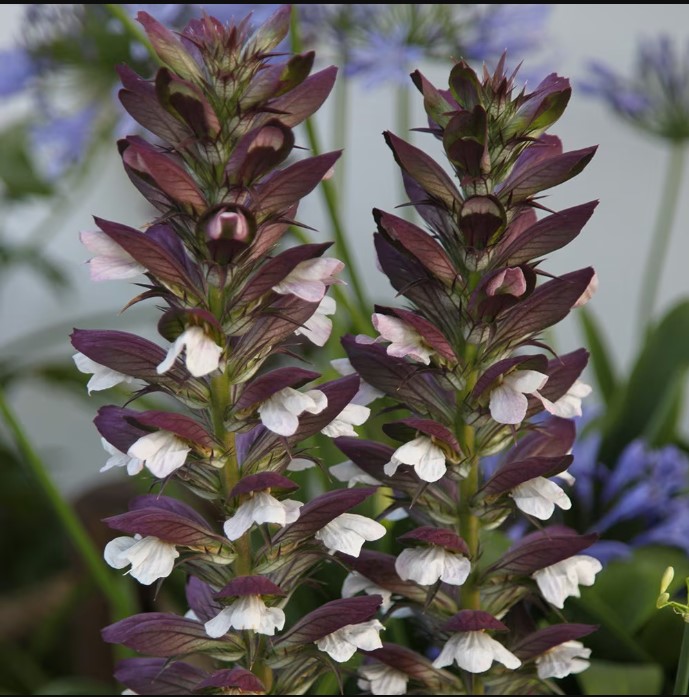
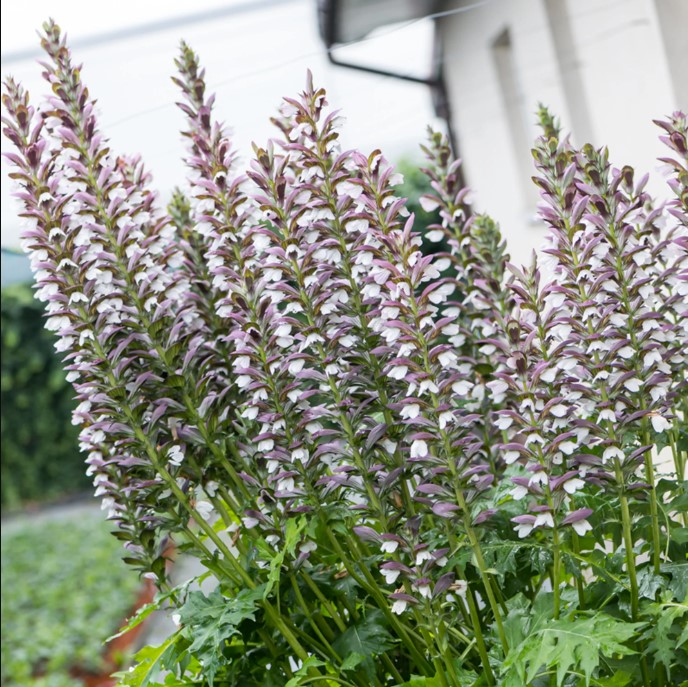
Acanthus produces tall, stately flower spikes from late spring through mid-summer. The individual flowers are hooded, bearing a resemblance to snapdragons, and are arranged in dense terminal racemes that can reach 2 to 3 feet in length. Colors are typically white or pale pink with purple or mauve bracts that add depth and contrast. The flower spikes are excellent for cutting, both fresh and dried, and provide vertical structure in mixed borders.
Size and Growth Habit
Acanthus plants typically grow 3 to 5 feet tall when in flower, with some species reaching up to 6 feet in ideal conditions. The basal clump of large, deeply cut leaves spreads 2 to 4 feet wide and creates a bold, almost tropical appearance. Each leaf can measure 12 to 24 inches long and 6 to 12 inches wide, with deeply incised margins that catch light and shadow dramatically. The tall flower spikes rise on stiff, unbranched stems above the foliage mound, adding strong vertical accent to any planting scheme. Plants spread gradually by deep, fleshy roots.
Hardiness Zones
Acanthus mollis, the most widely grown species, is hardy in USDA Zones 7 through 11. In Zone 7, plants may die back to the ground in winter but reliably return from deep, fleshy roots each spring. Acanthus spinosus is slightly hardier and more tolerant of cold, while Acanthus hungaricus extends the range to Zone 5. In borderline zones, a thick winter mulch protects the crown from frost damage.
Light Requirements
Acanthus thrives in full sun to partial shade. In hot climates (Zones 9 through 11), afternoon shade prevents leaf scorch and helps maintain lush foliage through the peak of summer. In cooler regions, full sun promotes the most robust flowering. Morning sun with afternoon protection is an ideal compromise in most gardens. In deep shade, acanthus produces magnificent foliage but may flower sparingly.
Soil and Water Requirements
Plant acanthus in well-drained, fertile soil. While it prefers consistently moist conditions during active growth, acanthus is remarkably drought-tolerant once established, thanks to its deep, fleshy root system that stores moisture efficiently. Avoid waterlogged soil, which causes root rot and is the primary cause of plant failure. In heavy clay, amend generously with compost and consider raised planting to improve drainage. Water regularly during the first growing season to help establish the deep root system.
Pruning
Cut flower spikes to the base after bloom to prevent self-seeding and maintain a tidy appearance. Acanthus can self-seed prolifically if spent flowers are left on the plant. Remove tattered or winter-damaged leaves in early spring before new growth begins. In mild climates where foliage remains evergreen, remove oldest leaves periodically to encourage fresh growth. Be aware that any root fragments left in the soil can regenerate into new plants, making acanthus difficult to eradicate once established.
Companion Plants
Pests and Diseases
- Slugs and snails: The primary pest problem for acanthus. These mollusks devour the large, lush leaves, leaving ragged holes that reduce ornamental value. Use organic slug pellets, beer traps, or copper barriers around plants. Encourage natural predators such as hedgehogs, birds, and frogs.
- Powdery mildew: White fungal coating on leaves, especially prevalent in humid conditions with poor air circulation. Ensure adequate plant spacing and avoid overhead watering to minimize this problem.
- Crown rot: Occurs in poorly drained or waterlogged soil. Prevention through proper site preparation and soil amendment is essential, as there is no effective cure.
Common Varieties
Toxicity
Non-toxic to pets and humansAcanthus is generally considered non-toxic to humans and pets. However, some species, particularly Acanthus spinosus, have sharp leaf spines that can cause painful physical puncture injuries. Handle spiny varieties with thick gardening gloves. The sap may cause mild skin irritation in sensitive individuals upon prolonged contact. Despite its safety profile, significant ingestion of any ornamental plant should be discouraged.
Care Difficulty
Once established, acanthus is exceptionally low-maintenance. Its deep root system makes it drought-tolerant and remarkably difficult to kill. In fact, the main challenge for gardeners is often preventing acanthus from spreading beyond its intended area, as the fleshy roots regenerate readily from even small fragments left in the soil.