Abutilon
Family Malvaceae — Genus Abutilon
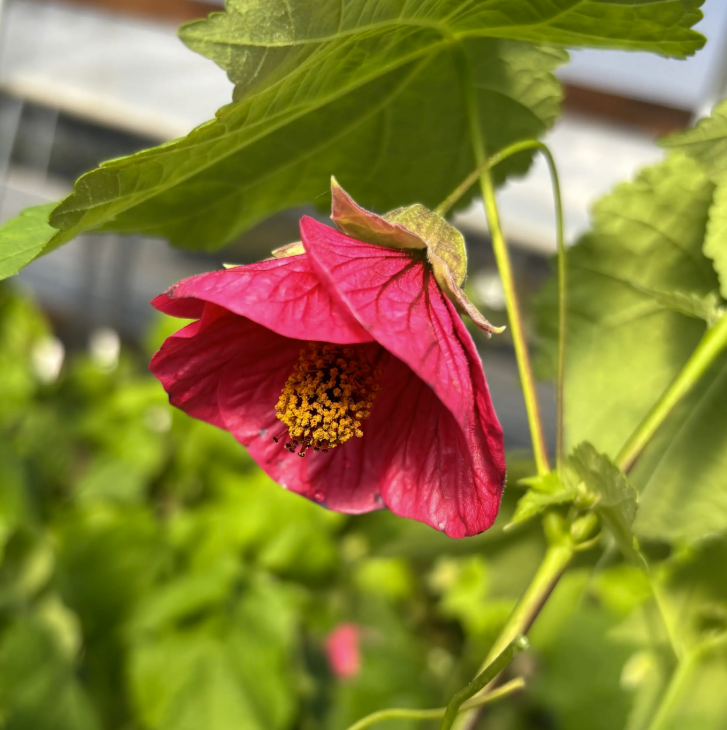
Abutilon, commonly known as flowering maple, is a genus of tropical and subtropical plants admired for their vibrant, bell-shaped flowers and attractive maple-like foliage. Despite their common name, abelutilons are not true maples but members of the mallow family (Malvaceae), closely related to hibiscus and hollyhock. Their diverse forms range from compact shrubs to tree-like species, offering a wealth of garden possibilities from containers to borders. In cooler climates, abutilon makes an outstanding conservatory or houseplant, flowering prolifically indoors with sufficient light.
Quick Facts
Bloom Time
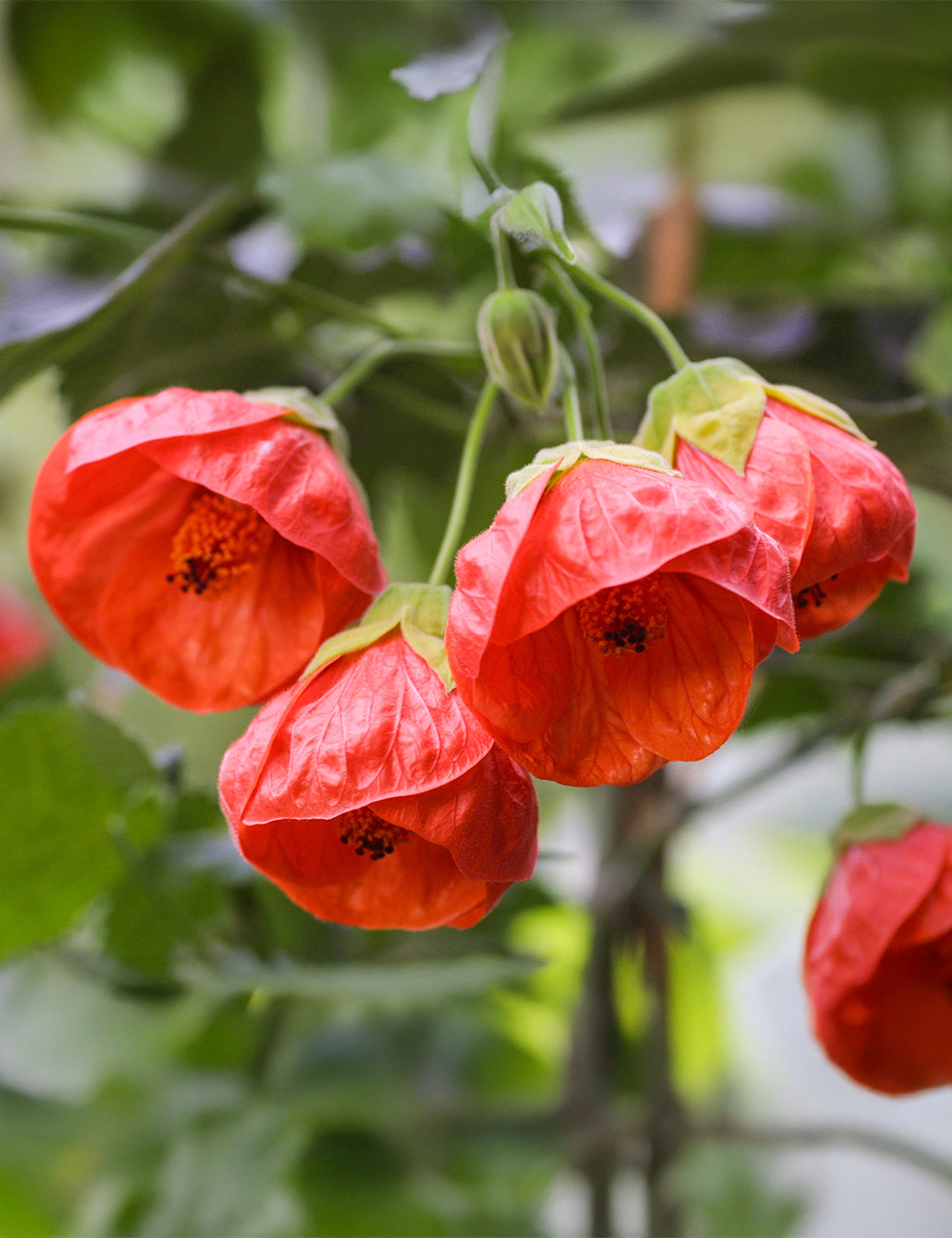
Abutilon flowers from spring through fall in warm climates, and can bloom nearly year-round in frost-free regions or when grown indoors. The pendant, bell-shaped flowers are produced continuously on new growth, making regular pruning and feeding essential for sustained display. Each flower lasts several days, and plants in peak condition can carry dozens of blooms simultaneously. The color range spans red, orange, salmon, yellow, pink, and white, with many cultivars featuring veined or bicolored petals.
Size and Growth Habit
Abutilon varies greatly in size and habit depending on species and cultivar. Some compact selections form rounded shrubs perfect for containers at just 3 feet tall, while vigorous species can become tree-like, reaching up to 10 feet in warm climates. The leaves resemble those of maples, often heart-shaped or palmate with prominent veining, lending the plant its common name. Some species feature attractively variegated foliage in patterns of green, cream, and gold. Growth is rapid in warm conditions, with plants capable of adding several feet in a single growing season.
Hardiness Zones
Abutilon thrives outdoors year-round in USDA Zones 8 through 10. In cooler climates (Zones 4 through 7), abutilon is best treated as an annual or overwintered indoors in a bright location. Plants are sensitive to frost and should be brought inside when temperatures drop below 40 degrees Fahrenheit. In marginal zones, grow in containers for easy seasonal relocation between garden and conservatory.
Light Requirements
Provide abutilon with full sun to partial shade. In hot climates, afternoon shade prevents leaf scorch and extends the bloom display. Indoors, place in the brightest available window, ideally south or west-facing. Insufficient light leads to leggy, sparse growth and poor flowering. At least 4 to 6 hours of direct sunlight daily produces the most prolific blooms and compact growth habit.
Soil and Water Requirements
Abutilon performs best in well-drained, loamy soil enriched with organic matter. It tolerates various soil types from sandy to clay-based, provided water does not sit around the roots. Water regularly during the growing season, allowing the top inch of soil to dry between waterings. Reduce watering in winter when growth slows. Container-grown plants need more frequent watering than those planted in the ground, often daily during peak summer heat.
Fertilizer Requirements
Feed abutilon with a balanced liquid fertilizer every two to three weeks during the active growing season (spring through early fall). A high-potash formulation such as a tomato feed encourages more prolific flowering. Reduce feeding frequency in winter to once per month or stop entirely if the plant enters dormancy. Over-fertilizing, particularly with nitrogen-heavy formulas, causes excessive leaf growth at the expense of blooms.
Pruning
Prune abutilon in late winter or early spring to maintain shape and encourage bushy, compact growth. Remove crossing branches, dead wood, and any weak or spindly stems. Pinch growing tips throughout the season to promote branching and more flower production. Hard pruning rejuvenates leggy specimens effectively. Since abutilon blooms on new wood, spring pruning does not sacrifice the current season's flowers — it enhances them.
Summer Care
Summer is abutilon's peak performance season. Maintain consistent moisture without waterlogging, and feed regularly to sustain continuous flowering. In extreme heat above 95 degrees Fahrenheit, provide afternoon shade or increase watering frequency. Check regularly for whitefly and spider mite activity, which intensifies in hot weather. Deadhead spent flowers to encourage fresh blooms and maintain a tidy appearance.
Winter Care
In frost-free zones, abutilon continues growing and flowering through winter at a reduced rate. In colder climates, bring container plants indoors before the first frost and place in a bright, cool location (50 to 60 degrees Fahrenheit is ideal for dormancy). Reduce watering significantly and stop fertilizing. Watch for indoor pest issues including aphids and whitefly, which thrive in warm, dry indoor environments. Plants may drop some leaves during the transition but typically recover once acclimated to their new conditions.
Companion Plants
Pests and Diseases
- Whitefly: The most common pest of abutilon. Tiny white-winged insects cluster on leaf undersides, causing yellowing and sticky honeydew. Use yellow sticky traps, insecticidal soap, or neem oil for control.
- Spider mites: Cause stippled, bronzed leaves in hot, dry conditions. Increase humidity around plants and spray with horticultural oil or miticide.
- Aphids: Cluster on soft new growth and flower buds. Dislodge with a strong water spray or treat with insecticidal soap.
- Abutilon mosaic virus: Causes distinctive yellow mottling of leaves. While some gardeners find the variegation attractive, the virus weakens plants over time. Transmitted by whiteflies.
- Root rot: Occurs in waterlogged conditions. Ensure proper drainage and avoid over-watering, especially during winter dormancy periods.
Propagation Methods
- Softwood cuttings (spring to summer): Take 4 to 6 inch tip cuttings from non-flowering shoots. Remove lower leaves, dip in rooting hormone, and place in a moist perlite-peat mix. Maintain warmth (65 to 75 degrees Fahrenheit) and high humidity. Roots develop in 3 to 5 weeks.
- Seed: Sow seeds indoors 8 to 10 weeks before the last frost date. Seeds germinate best at 70 to 75 degrees Fahrenheit and typically sprout within 2 to 4 weeks. Seedlings flower within their first year but may not be true to the parent cultivar.
- Semi-hardwood cuttings (late summer): A reliable method using stems that have started to firm. Treat as for softwood cuttings but allow slightly longer rooting time of 4 to 6 weeks.
Common Varieties
Toxicity
Mildly toxic — use cautionAbutilon is generally considered low-toxicity. While not severely poisonous, the sap can cause mild skin irritation in sensitive individuals, and ingestion of plant material may cause mild gastrointestinal upset in pets. Keep out of reach of children and pets who may chew on foliage. Contact a veterinarian if a pet ingests significant plant material.
Care Difficulty
Abutilon is straightforward to grow in warm climates but requires attention to watering, pest management, and winter protection in cooler regions. Regular feeding and pruning produce the best results, making it slightly more demanding than truly set-and-forget shrubs, but well within the capabilities of most gardeners.