Amaranthus
Family Amaranthaceae — Genus Amaranthus
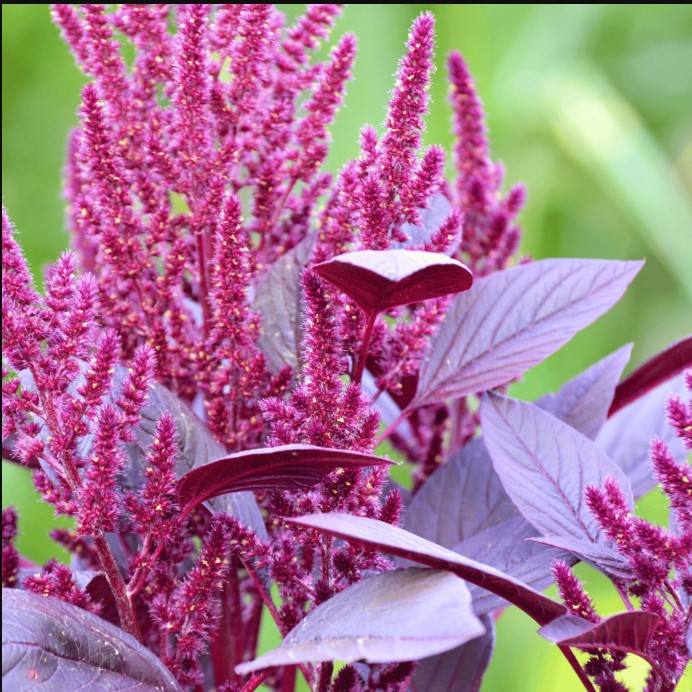
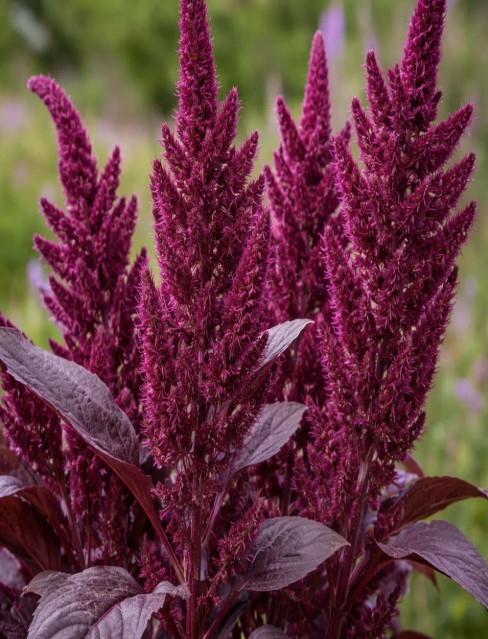
Amaranthus, commonly known as amaranth, is a genus of dramatic annual plants valued for their extraordinary flower forms and bold, often colorful foliage. From the cascading crimson tassels of love-lies-bleeding to the towering burgundy plumes of prince's feather, amaranths provide unmatched theatrical drama in the summer garden. Several species are also important food crops, with both leaves and grain-like seeds consumed worldwide.
Quick Facts
Bloom Time
Amaranth flowers from midsummer through fall, producing dramatic tassels, plumes, or cascading rope-like flower clusters depending on the species. The rich burgundy, crimson, and gold colors intensify as the season progresses, providing increasingly vivid displays as other annuals begin to fade.
Size and Growth Habit
Amaranth varies greatly by species, from compact 2-foot plants to towering 6-foot specimens. Growth is rapid in warm weather, with plants reaching full size in just a few months from seed. The bold, often colorful foliage provides interest even before the dramatic flower tassels appear.
Hardiness Zones
Amaranth is grown as a warm-season annual in all zones. It is frost-tender and should be planted after all danger of frost has passed. Seeds germinate best when soil temperatures exceed 65 degrees Fahrenheit.
Light Requirements
Amaranth demands full sun for the best growth, flowering, and foliage color. At least 6 to 8 hours of direct sunlight daily produces the most vigorous plants and most vivid colors.
Soil and Water Requirements
Amaranth grows in average to fertile, well-drained soil. It tolerates poor soil, heat, and moderate drought once established. Water regularly during establishment, then reduce. Overwatering in rich soil produces excessive foliage at the expense of flowers.
Pruning
Generally no pruning needed. Remove any dead or damaged leaves. Let flower tassels develop fully for maximum visual impact. Harvest seed heads for dried arrangements before hard frost.
Summer Care
Amaranth thrives in summer heat and reaches its peak in late summer. Water during extended dry spells. The dramatic flower tassels develop and intensify in color as days shorten toward fall.
Winter Care
Amaranth is killed by frost. Harvest seed heads for dried arrangements before the first freeze. Save seeds for the following year by hanging tassels upside down to dry. Pull spent plants and compost.
Companion Plants
Pests and Diseases
- Aphids: May cluster on young growth. Treat with water spray or insecticidal soap.
- Flea beetles: Small holes in leaves. Usually cosmetic in large plants.
- Amaranth is generally trouble-free and vigorous enough to outgrow most pest damage.
Common Varieties
Toxicity
Non-toxic to pets and humansAmaranth is completely non-toxic and is in fact an important food plant worldwide. The leaves are eaten as a vegetable (similar to spinach), and the seeds are used as a gluten-free grain. All parts are safe for humans and pets.
Care Difficulty
Amaranth is one of the easiest and most dramatic annuals to grow. It thrives on heat, handles poor soil, and requires minimal care once established. Simply provide sun and let it perform.