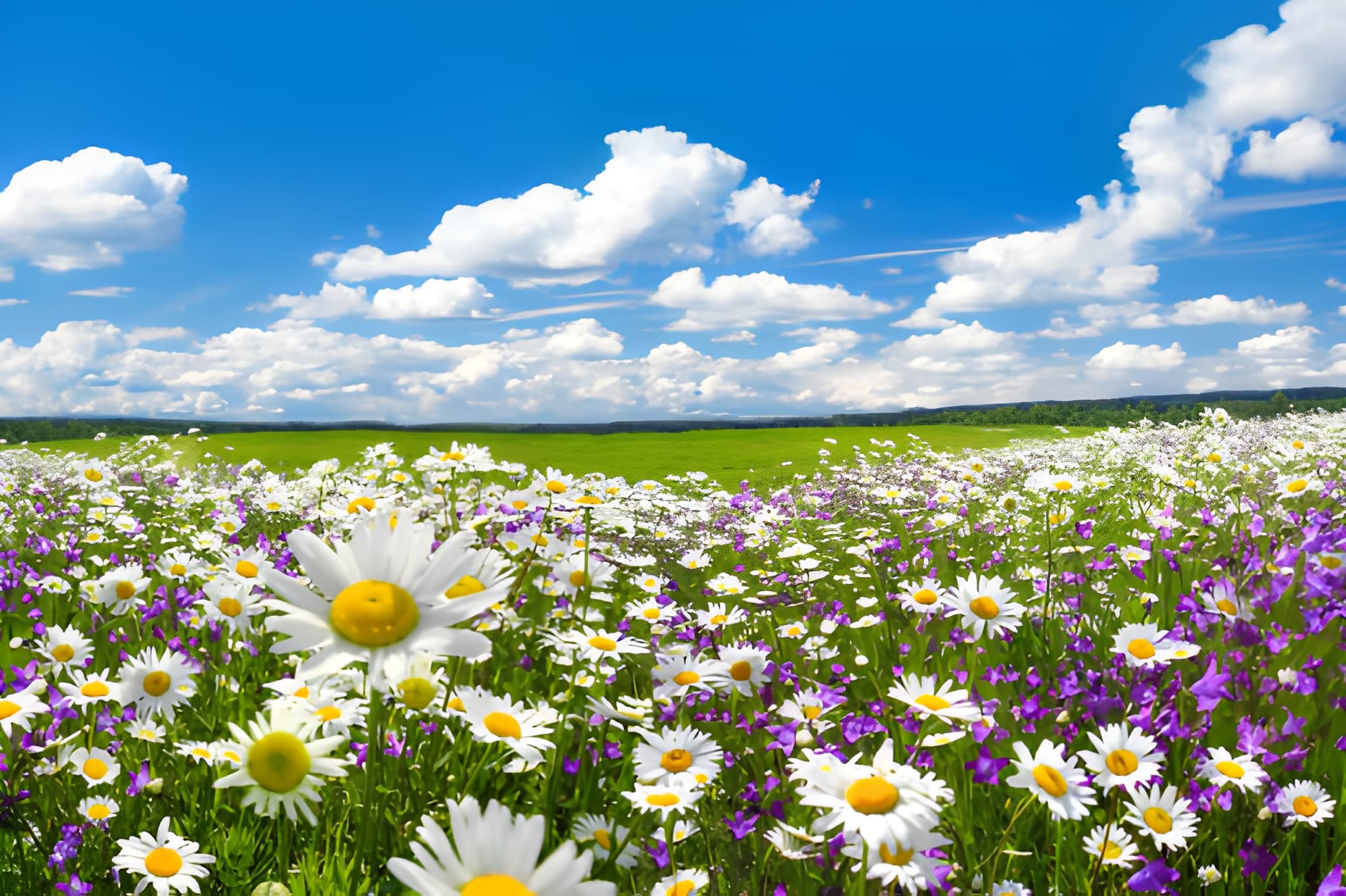
Daisies are flowering plants in the Asteraceae family with composite flower heads made of white ray florets surrounding a yellow disc center. The Asteraceae family contains over 20,000 species across 1,900 genera, making daisies one of the largest and most diverse plant groups on Earth.
This guide covers 48 daisy species with photos, flower identification traits, symbolism across 6 colors, origin and cultivation history, USDA growing zones, a complete life cycle breakdown, growing instructions (from seed, cuttings, and division), care requirements, pet safety for cats and dogs, 5 companion plants, and visual comparisons against similar flowers like chamomile, sunflower, and aster.
Quick reference: Shasta Daisy (Leucanthemum × superbum) is the best daisy for beginner gardeners. It grows in USDA zones 4–9, tolerates drought, resists deer, and blooms from June through September with minimal care.
What Are Daisies?
A daisy is a flowering plant in the Asteraceae family that produces composite flower heads — a central disc of tiny tubular florets surrounded by petal-like ray florets. The Asteraceae family (also called Compositae) is the second-largest family of flowering plants after orchids. Daisies share this family with sunflowers, chrysanthemums, zinnias, asters, and dandelions.
The word "daisy" comes from the Old English "dæges ēage," meaning "day's eye." This name refers to the English daisy (Bellis perennis), whose flower head opens at sunrise and closes at sunset. The common name "daisy" now applies broadly to dozens of genera within Asteraceae that share the disc-and-ray flower structure.
Scientific Classification
| Rank | Classification |
|---|---|
| Kingdom | Plantae |
| Order | Asterales |
| Family | Asteraceae (Compositae) |
| Subfamilies | 12 recognized subfamilies |
| Genera | ~1,900 genera |
| Species | ~20,000+ species |
The Asteraceae family divides into 12 subfamilies. The 3 largest subfamilies containing garden daisies are Asteroideae (includes asters, sunflowers, and chrysanthemums), Cichorioideae (includes chicory and dandelions), and Carduoideae (includes thistles).
Characteristics That Define a Daisy
6 structural features define a daisy flower:
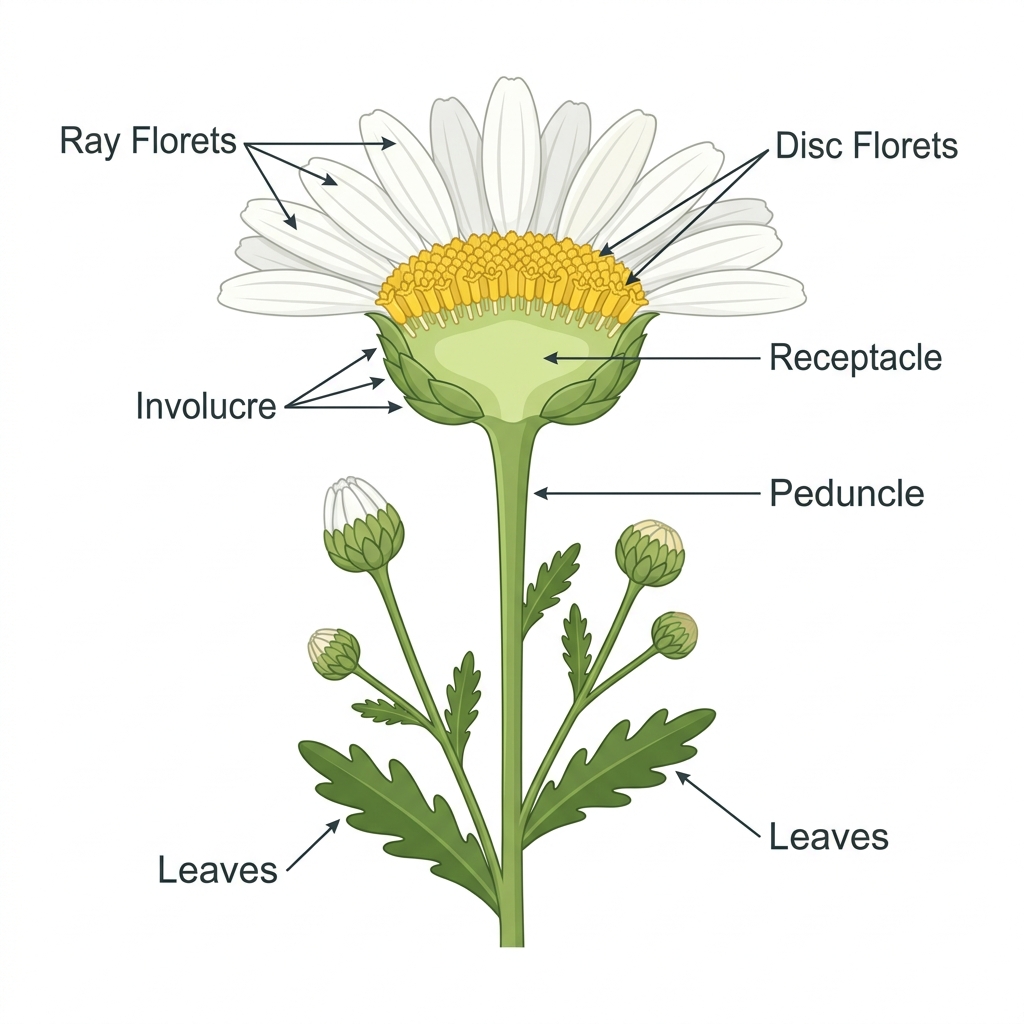
- Composite flower head. What appears as a single daisy "flower" is a capitulum — a dense cluster of 50 to 200+ individual florets arranged on a flat or domed receptacle. Each floret is a complete flower with its own reproductive organs.
- Ray florets. The petal-like structures around the outer edge are ray florets. Each ray floret is a single, strap-shaped flower. Ray florets are usually white, yellow, pink, or purple and serve to attract pollinators.
- Disc florets. The tiny tubular flowers packed in the center are disc florets. Disc florets are typically yellow and produce the majority of the seeds. A single Shasta daisy head contains 200–300 disc florets.
- Stem (peduncle). Daisy stems range from 2 inches (5 cm) in dwarf species like Townsendia minima to 4 feet (120 cm) in tall species like Chrysanthemum daisies. Stems are usually unbranched and support a single flower head.
- Leaves. Daisy leaves grow in basal rosettes or alternately along the stem. Leaf shapes range from spoon-shaped (spatulate) in English daisies to deeply lobed and fern-like in Painted daisies (Tanacetum coccineum).
- Root system. Most perennial daisies have fibrous root systems with rhizomes that allow the plant to spread. Annual daisies typically develop a single taproot.
Daisy Flower Identification
What Do Daisy Flowers Look Like?
Daisy flowers have a flat or slightly domed disc center surrounded by a single or double ring of petal-like ray florets. The classic daisy look — white petals with a yellow center — belongs to the English daisy (Bellis perennis) and the Shasta daisy (Leucanthemum × superbum). Other daisy species produce flowers in red, orange, pink, purple, blue, and bicolored combinations.
Daisy Flower Colors
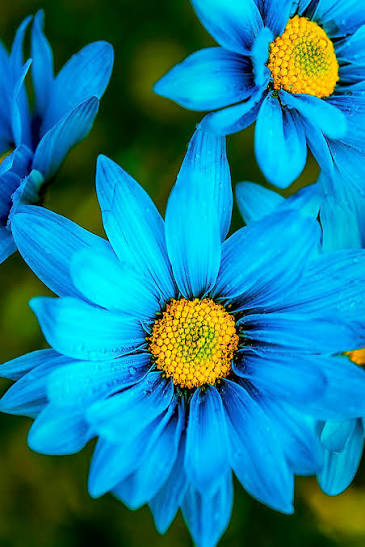
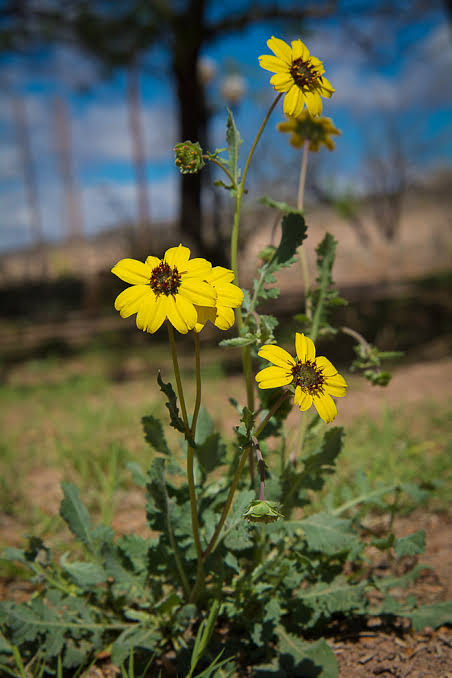
Daisies flower in 8 primary color groups: white, yellow, pink, red, orange, purple, blue, and bicolored. White and yellow are the most common. Blue daisies (Felicia amelloides) and chocolate-scented yellow daisies (Berlandiera lyrata) are among the less common varieties.
Flower Size
Daisy flower heads range from 0.2 inches (5 mm) in the Desert Star Daisy (Monoptilon bellidiforme) to 5 inches (12 cm) in Gerbera daisies (Gerbera jamesonii). Most garden daisies produce flower heads between 1.5 and 3 inches (4–8 cm) in diameter.
Seed Appearance
Daisy seeds are small, dry fruits called achenes. Most daisy achenes are 1–3 mm long, oblong or wedge-shaped, and brown or grey. Some species (like Townsend daisies) have a pappus — a tuft of fine hairs that acts as a parachute for wind dispersal, similar to dandelion seeds.
Daisy Flower Meaning and Symbolism
What Does the Daisy Flower Mean?
The daisy flower means innocence, purity, and new beginnings. This meaning originates from 2 sources: the flower's simple, open structure and the Old English name "day's eye," which connects daisies to sunrise and the start of a new day.
In Victorian flower language (floriography), giving someone a daisy communicated loyal love and the message "I will think of it" — a gentle way to say the recipient needed time to consider a romantic proposal.
Symbolism in Different Cultures
- Norse mythology: Daisies were sacred to Freya, the goddess of love and fertility. Daisies represented childbirth and motherhood.
- Roman mythology: The nymph Belides transformed herself into a daisy to escape unwanted attention, giving the genus Bellis its name.
- Celtic culture: Celtic legends say that when an infant died, the gods scattered daisies across the earth to comfort grieving parents.
- Christianity: White daisies symbolize the Virgin Mary's innocence. Medieval paintings frequently include daisies in scenes of the Annunciation.
Daisy Color Meanings
Daisy in Weddings
White daisies rank among the 10 most popular wedding flowers worldwide. Brides choose daisies for 3 reasons: their symbolism of loyal love, their availability across all seasons, and their ability to pair with both formal and rustic wedding themes. Gerbera daisies are the most popular wedding daisy species because of their large, photogenic flower heads and wide color range.
Origin and History of Daisies
Where Do Daisy Flowers Originate From?
Daisies originated in multiple regions across the globe. The English daisy (Bellis perennis) is native to Europe and Western Asia. African daisies (Arctotis, Osteospermum, Gerbera) evolved in southern Africa. North American native daisies include Echinacea (Purple Coneflower), Rudbeckia (Gloriosa Daisy), and Townsendia species.
Evolution of the Daisy Family
The Asteraceae family evolved approximately 76–66 million years ago during the Late Cretaceous period in what is now southern South America. Fossil pollen records from Patagonia contain the earliest evidence of Asteraceae plants. The family underwent rapid diversification during the Eocene epoch (56–34 million years ago), spreading to Africa, Australia, and then to the Northern Hemisphere.
Global Distribution
Asteraceae species grow on every continent except Antarctica. The highest concentration of daisy species occurs in 3 regions: the Mediterranean basin (home to Bellis, Leucanthemum, and Anthemis), southern Africa (home to Arctotis, Gerbera, and Osteospermum), and western North America (home to Echinacea, Rudbeckia, and Townsendia).
Where Do Daisies Grow Naturally?
Preferred Climate
Most daisies prefer temperate climates with moderate rainfall and distinct seasons. Temperate daisies like English and Shasta varieties thrive in regions with cool winters and warm summers. African daisies tolerate heat and drought but die in hard frosts. Desert daisies (Monoptilon) grow in arid climates with less than 10 inches (25 cm) of annual rainfall.
USDA Hardiness Zones
| Daisy Type | USDA Zones | Min. Temp |
|---|---|---|
| English Daisy | 4–8 | -30°F (-34°C) |
| Shasta Daisy | 4–9 | -30°F (-34°C) |
| Oxeye Daisy | 3–8 | -40°F (-40°C) |
| Gerbera Daisy | 8–10 | 10°F (-12°C) |
| African Daisy | 8–11 | 10°F (-12°C) |
| Purple Coneflower | 3–8 | -40°F (-40°C) |
| Gloriosa Daisy | 3–7 | -40°F (-40°C) |
Soil Requirements
Daisies grow best in well-drained soil with a pH between 6.0 and 7.0. Most daisies tolerate poor, sandy, or rocky soil. Heavy clay soil that retains standing water causes root rot in nearly all daisy species. Amend clay soil with compost or perlite before planting daisies to improve drainage.
Daisy Life Cycle
The daisy life cycle has 7 stages from seed to dormancy:
Are Daisies Annual, Biennial, or Perennial?
Daisies can be annual, biennial, or perennial depending on the species. The majority of garden daisies are perennials.
- Annual daisies complete their life cycle in one growing season. Examples: Annual Townsend Daisy (Townsendia annua), Livingstone Daisy (Dorotheanthus bellidiformis), Butter Daisy (Melampodium divaricatum).
- Biennial daisies grow foliage in year 1 and flower in year 2. Examples: Parry's Townsend Daisy (Townsendia parryi), some English daisy cultivars in warm climates.
- Perennial daisies return year after year from established root systems. Examples: Shasta Daisy, Oxeye Daisy, Echinacea, Gerbera (in zones 8+), Euryops Daisy.
Do Daisies Grow Back Every Year?
Yes, perennial daisies grow back every year within their rated hardiness zones. Shasta daisies return reliably for 3–5 years before clumps need division. Echinacea (Purple Coneflower) can persist for 10+ years. Annual daisies do not return, but many self-seed so heavily that they appear to come back. Oxeye daisies self-seed so aggressively that 12 U.S. states classify them as invasive.
When Do Daisies Bloom?
Daisies bloom from early spring through late fall, depending on the species. Spring-blooming daisies include English daisies (March–May) and Easter daisies (April–June). Summer bloomers include Shasta daisies (June–August) and Gerbera daisies (May–October). Fall bloomers include Chrysanthemum daisies (September–November) and Aster daisies (August–October).
How Long Do Daisy Flowers Last?
Individual daisy flower heads last 7–14 days on the plant. Cut daisies in a vase last 5–10 days. To extend vase life, cut stems at a 45-degree angle, remove leaves below the waterline, change water every 2 days, and add a floral preservative packet. Gerbera daisies last longest as cut flowers — up to 14 days with proper care.
How Many Daisy Species Exist?
There are over 20,000 species in the Asteraceae (daisy) family, distributed across approximately 1,900 genera. Asteraceae is the second-largest flowering plant family on Earth. The 5 largest genera are Senecio (~1,500 species), Vernonia (~1,000 species), Centaurea (~700 species), Hieracium (~500 species), and Artemisia (~500 species).
Types of Daisy Flowers
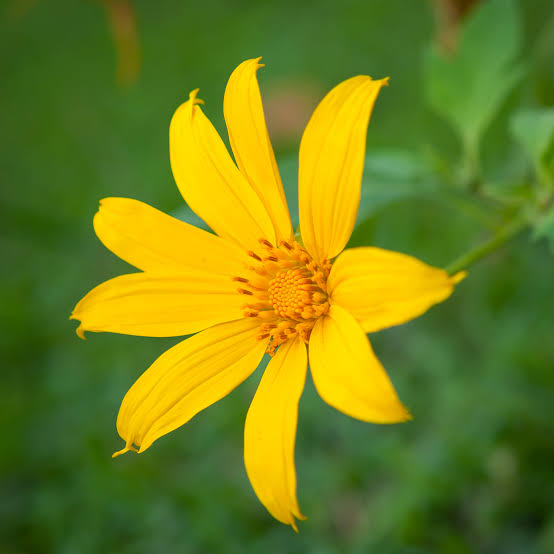
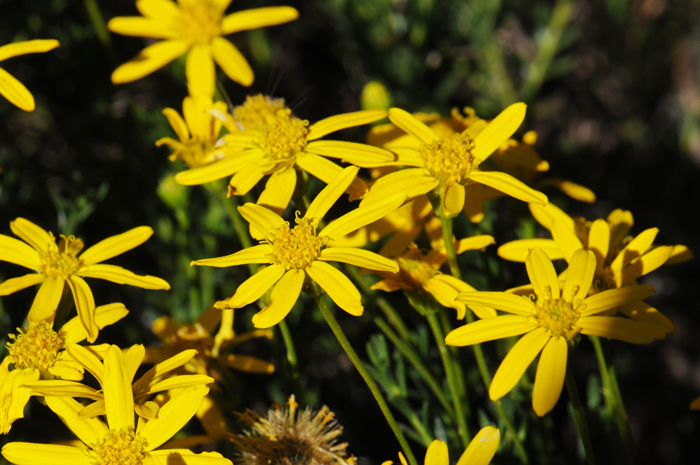
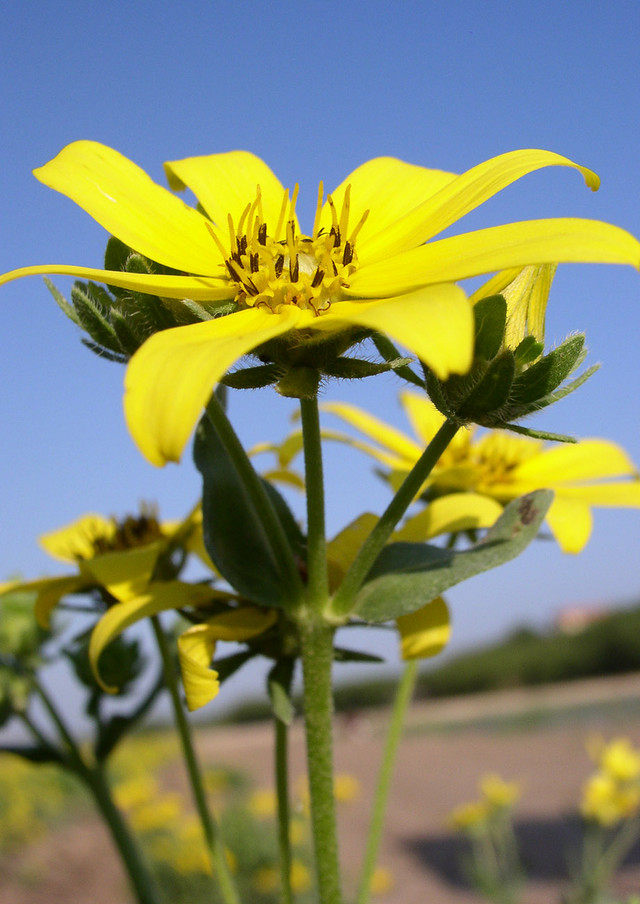
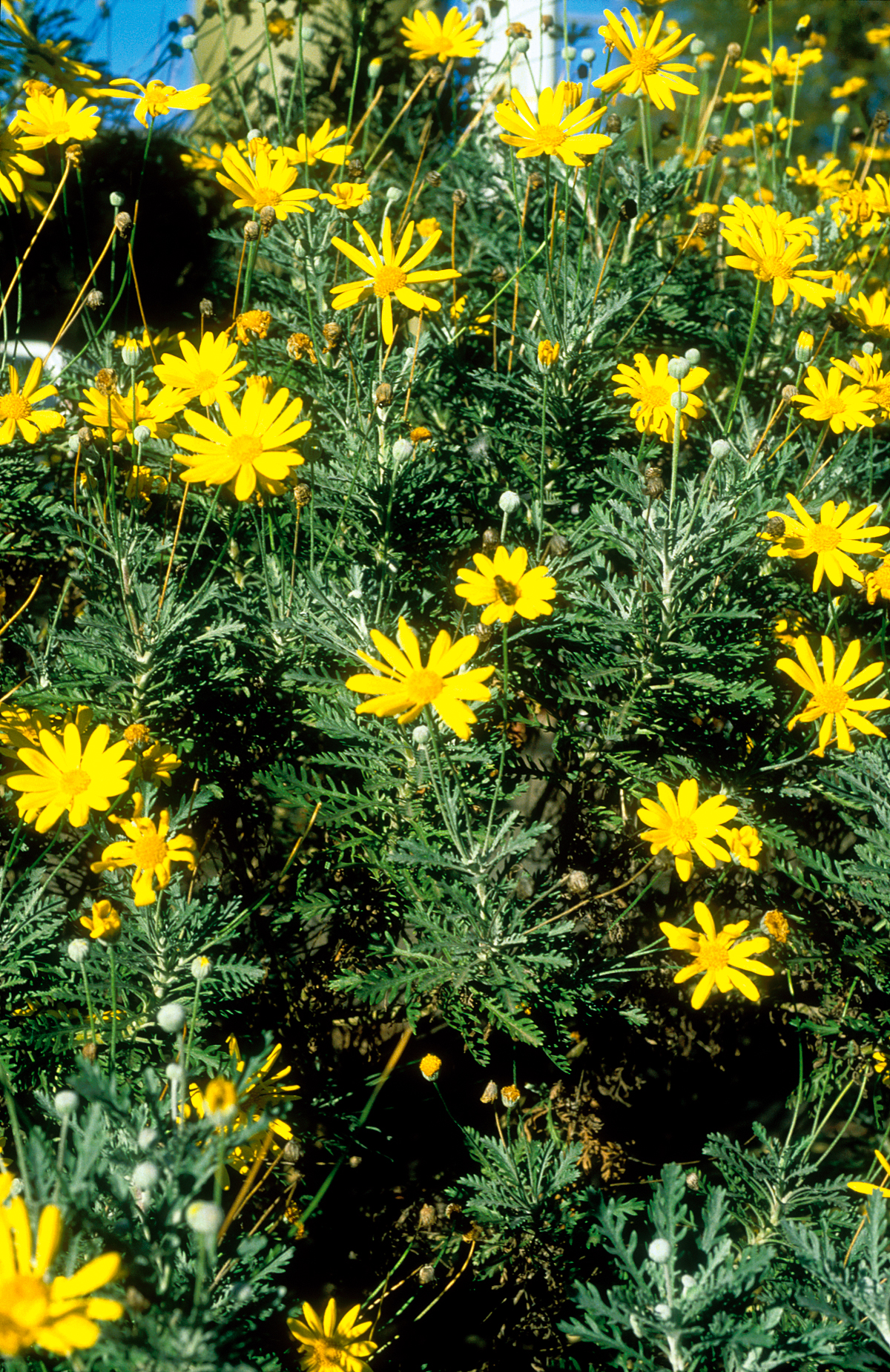
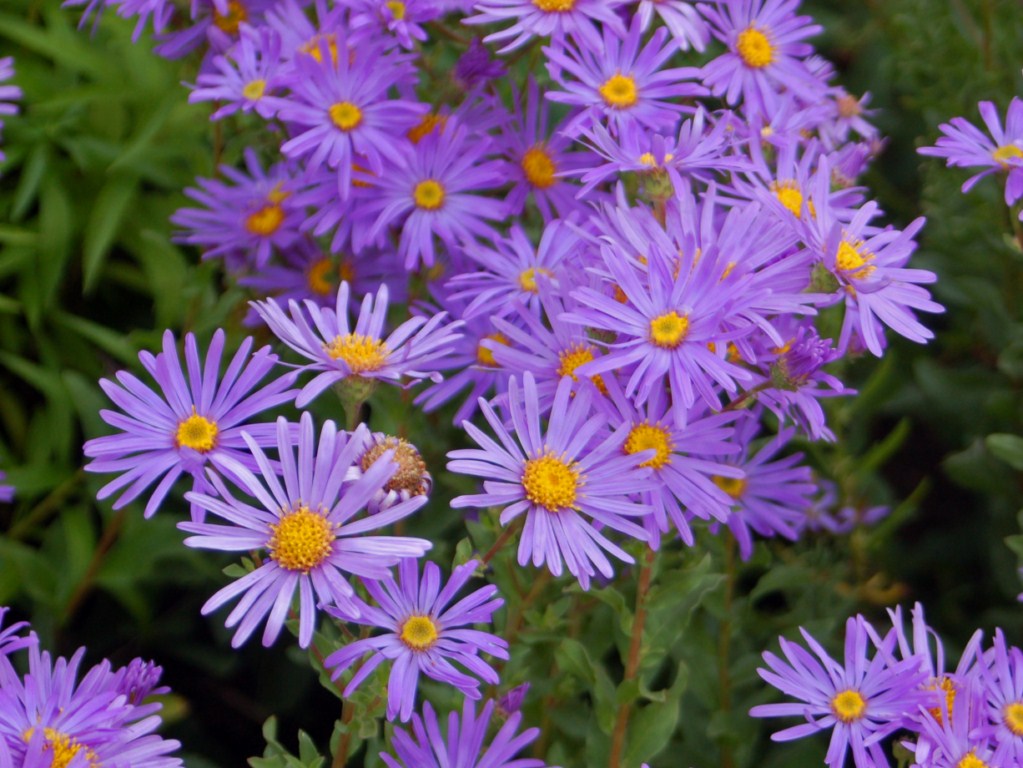
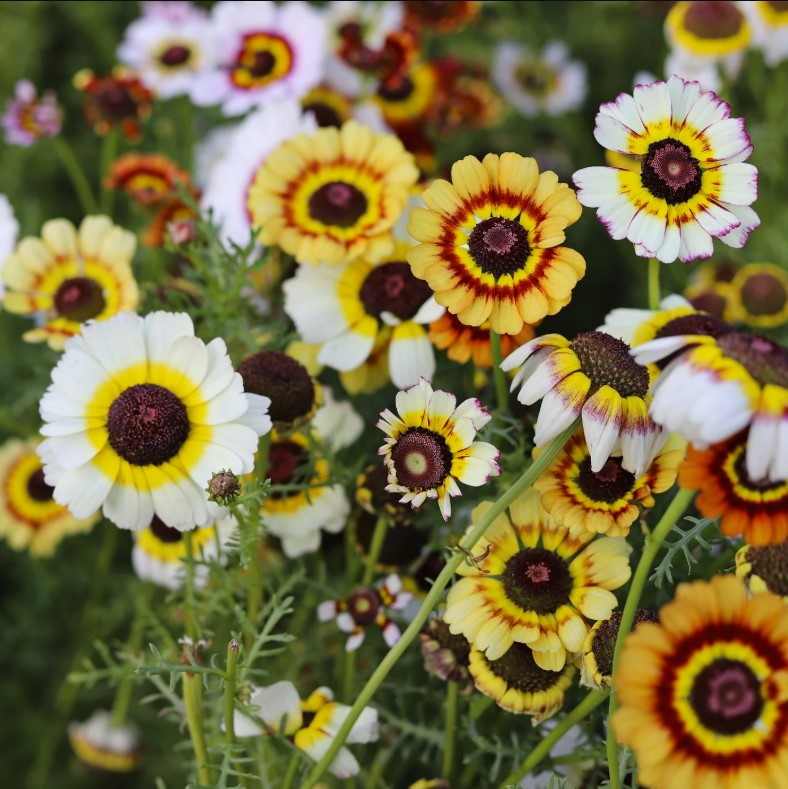
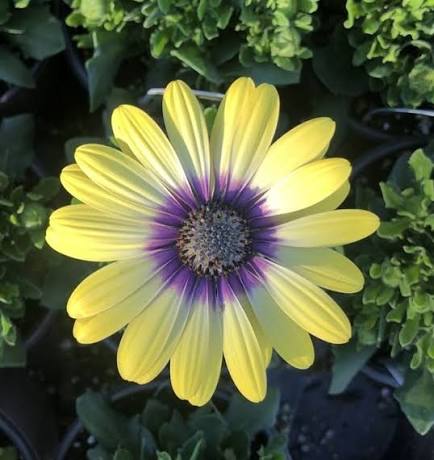
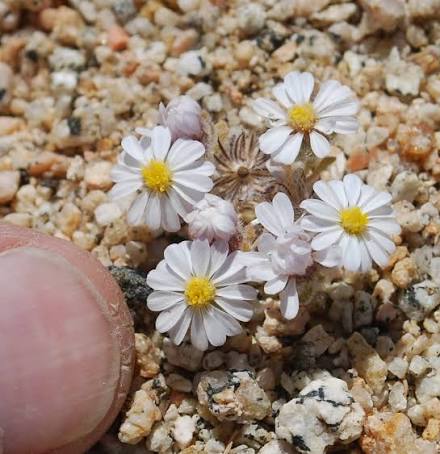
48 daisy species and varieties are covered in this guide, organized into 4 groups: common garden daisies, Townsend daisy species, African daisy species, and desert daisy species. Each species entry includes a photo, growing conditions, and identification details.
.jpg)
.jfif)
.jfif)
.jfif)
.jpg)
.jfif)
.webp)
.webp)
.jpg)
.jfif)
.jfif)
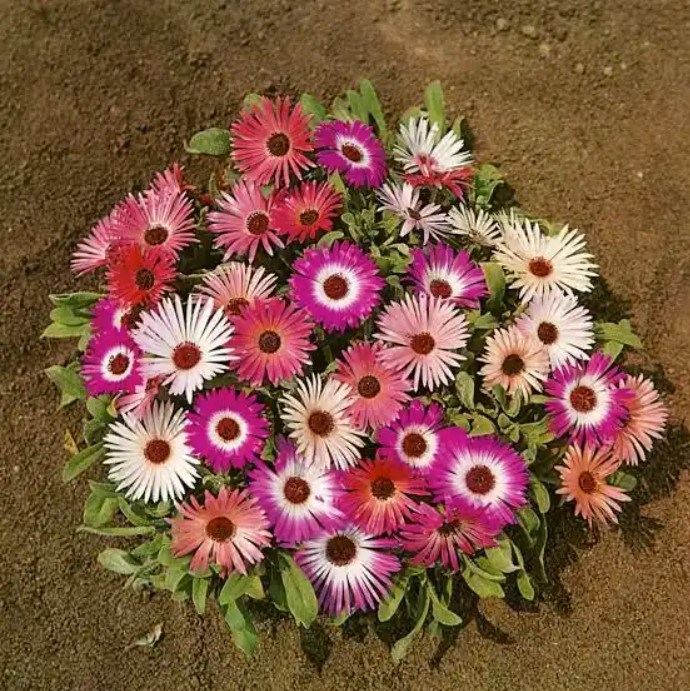
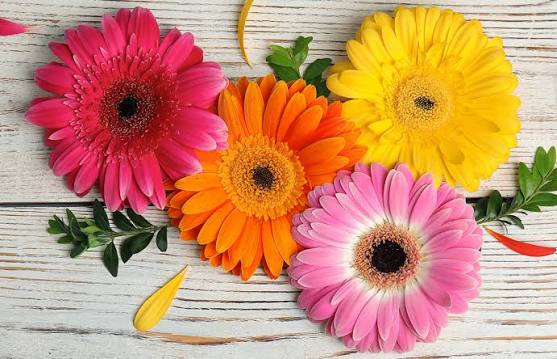
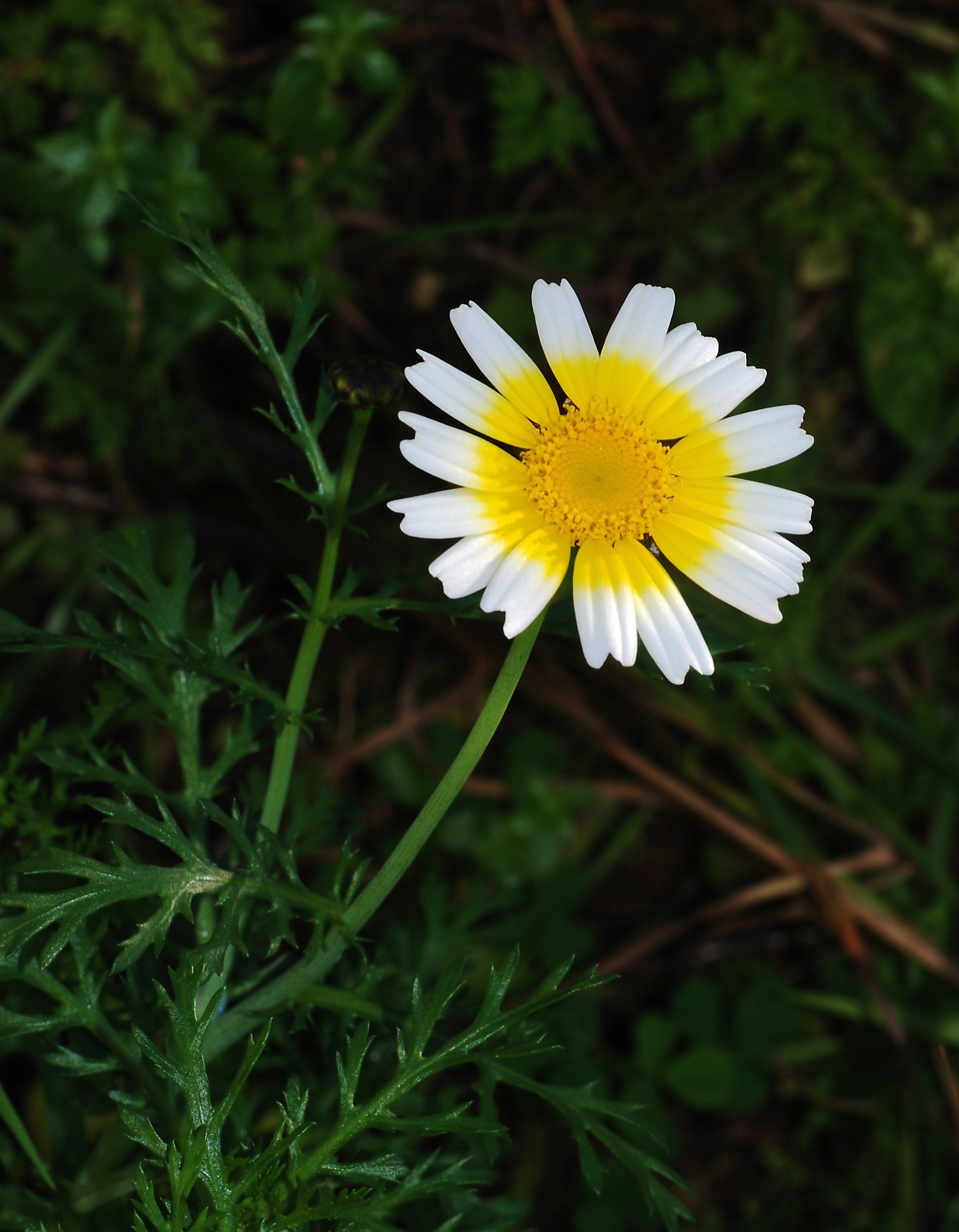
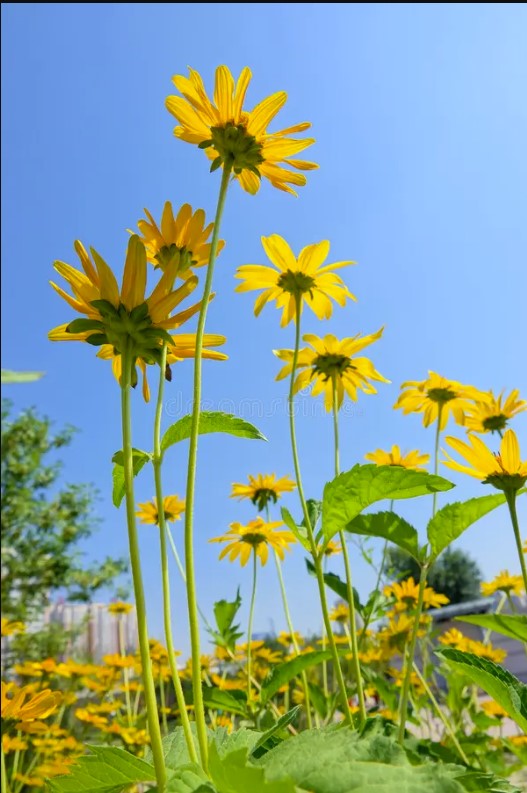
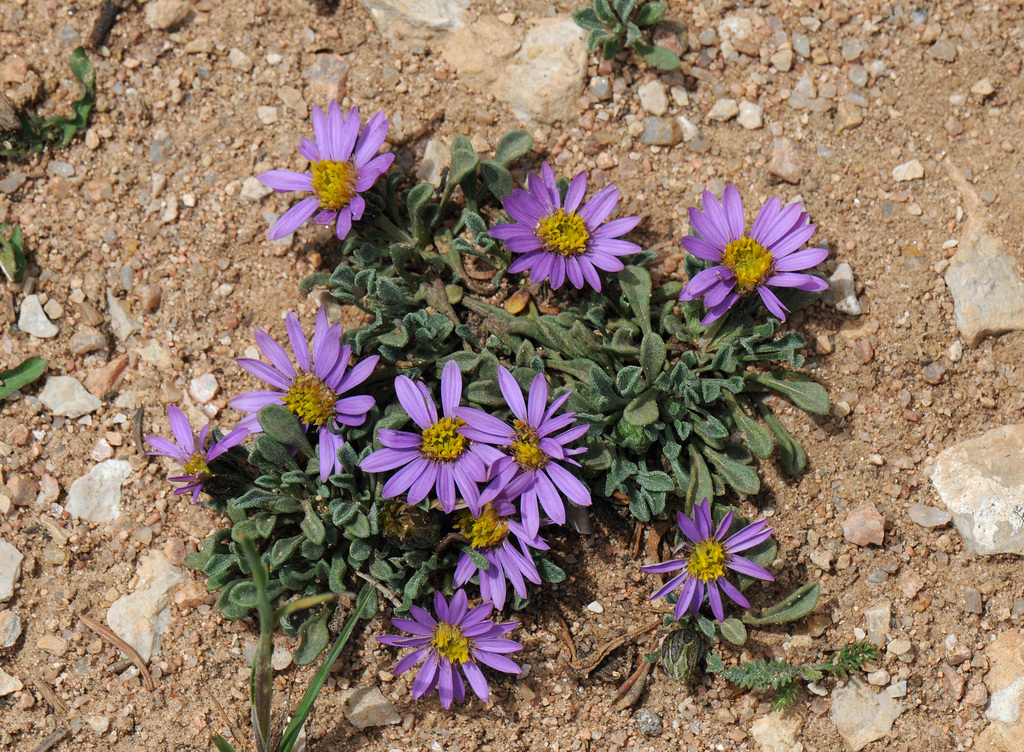
Townsend Daisy Species
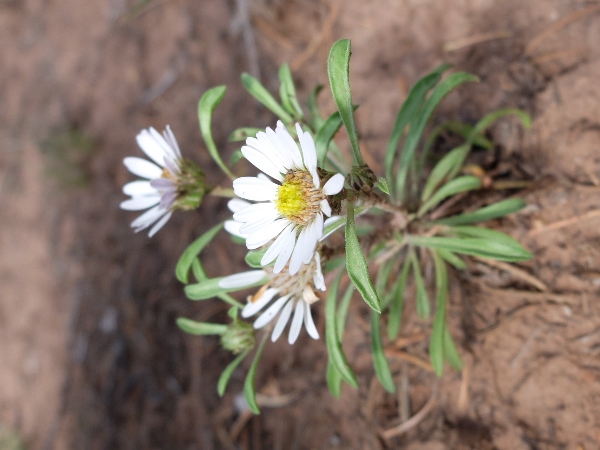
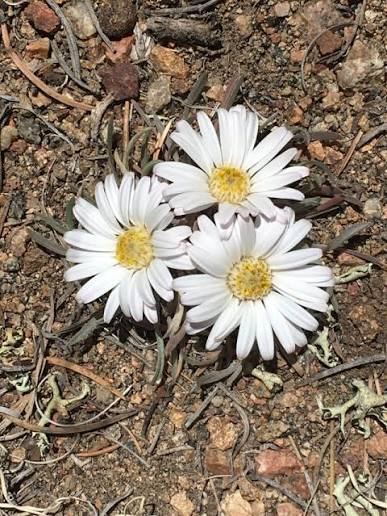
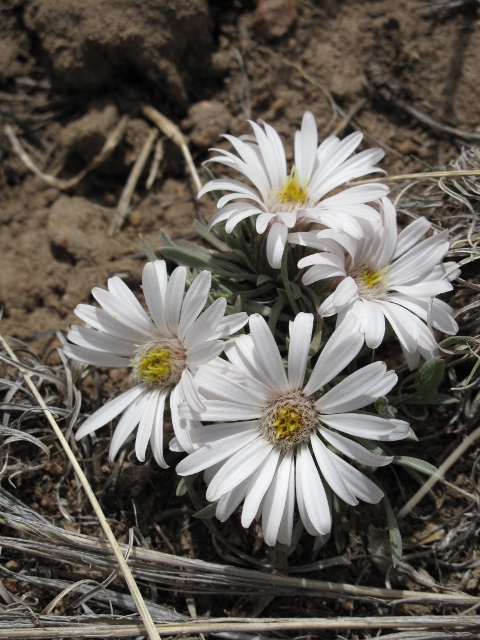
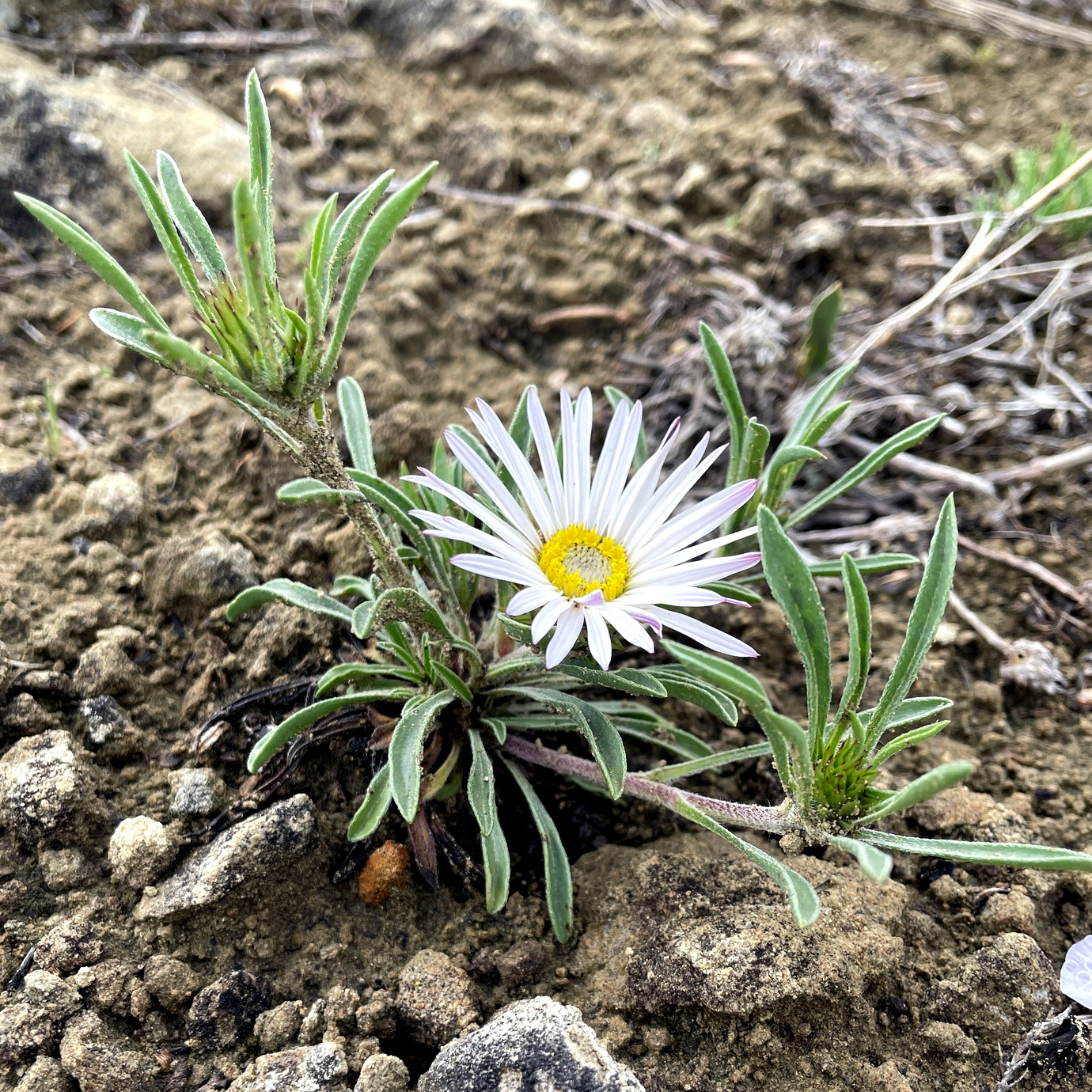
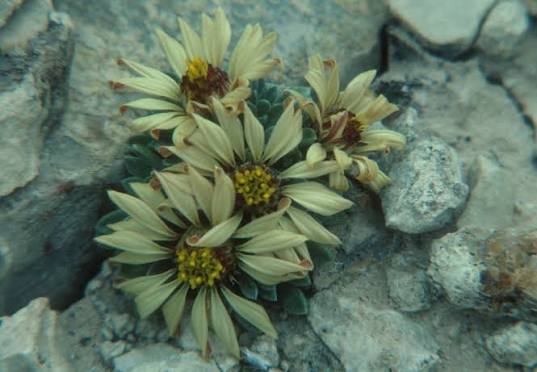
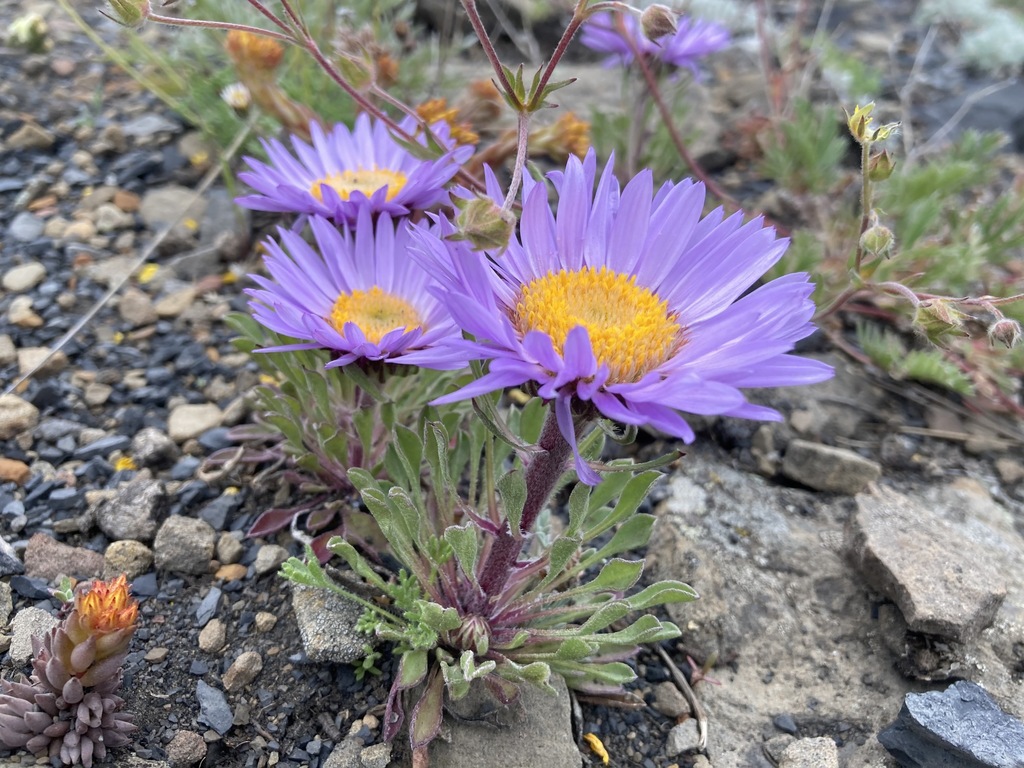
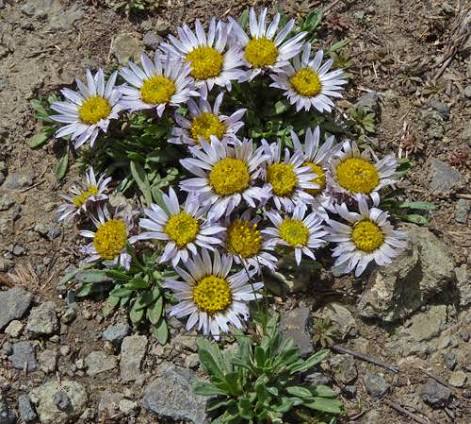
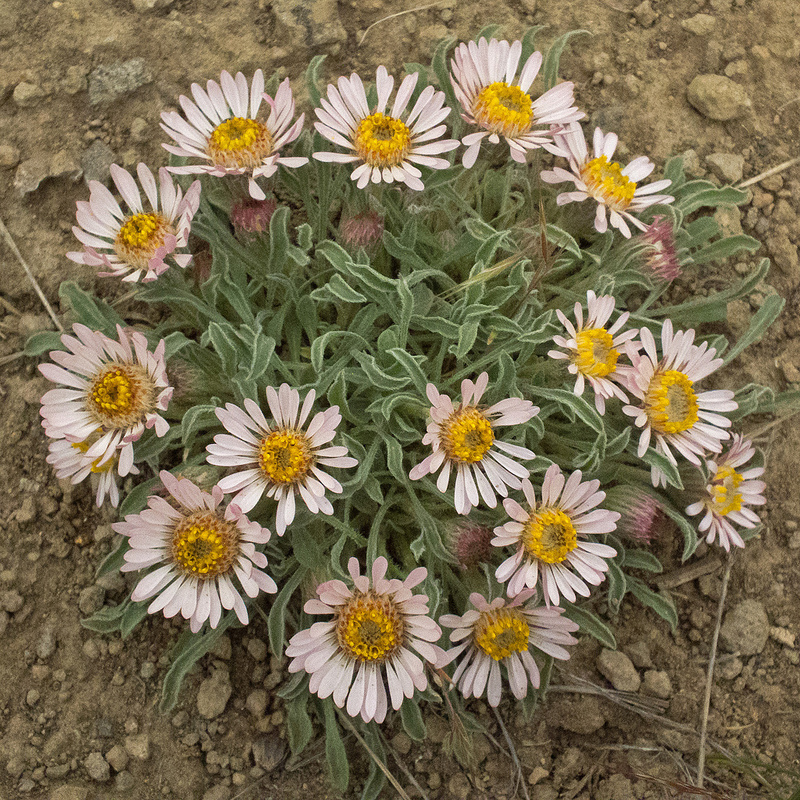
Townsend daisies (genus Townsendia) are a group of 9 North American native species named after David Townsend, an amateur 18th-century Pennsylvanian botanist. Most Townsend daisies are small, low-growing alpine plants found in the Rocky Mountain corridor and western United States.
.jfif)
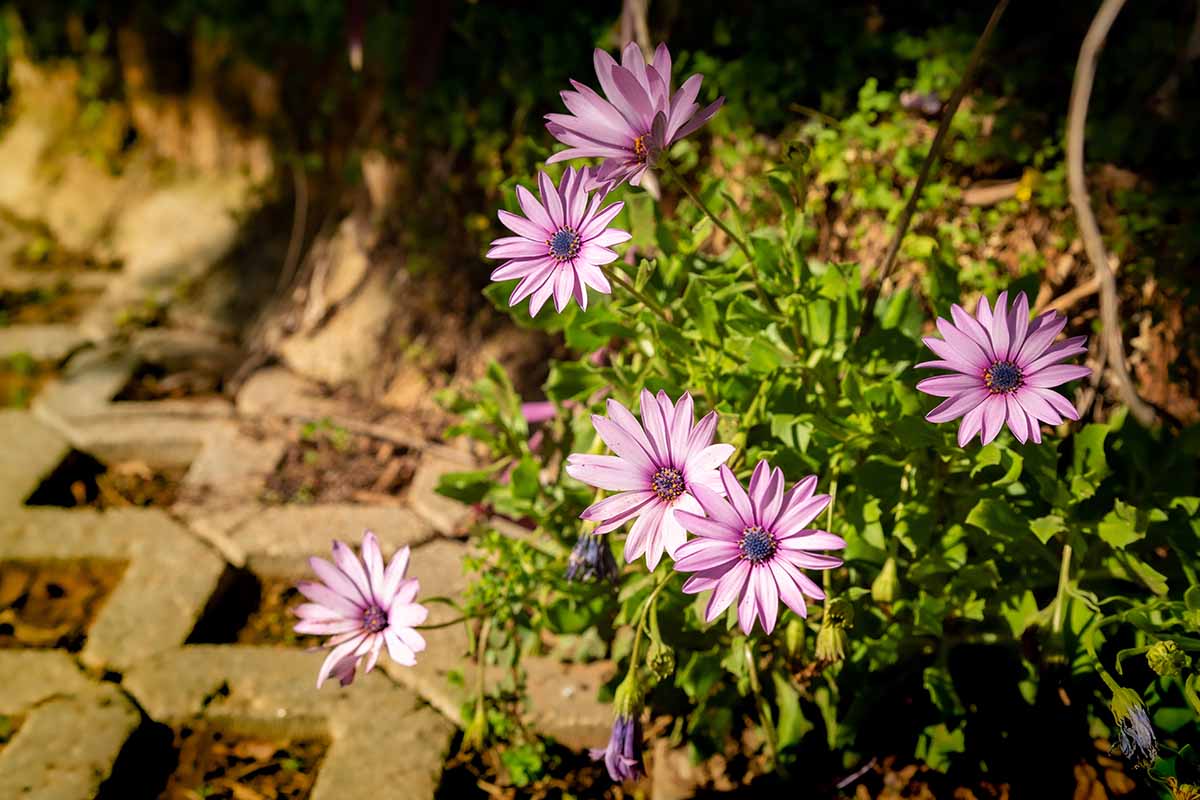
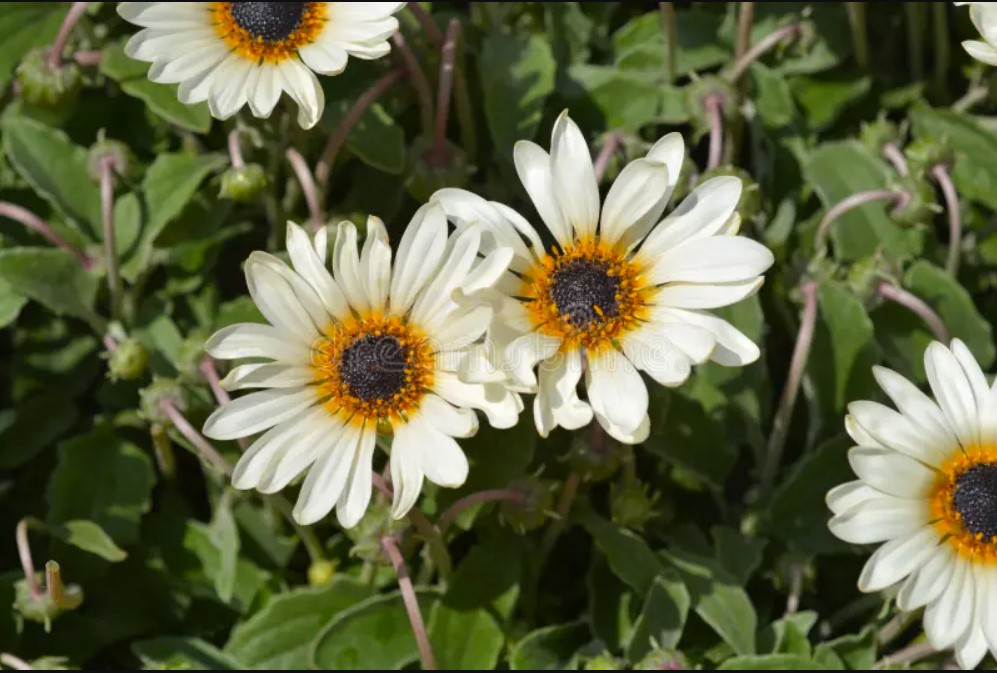
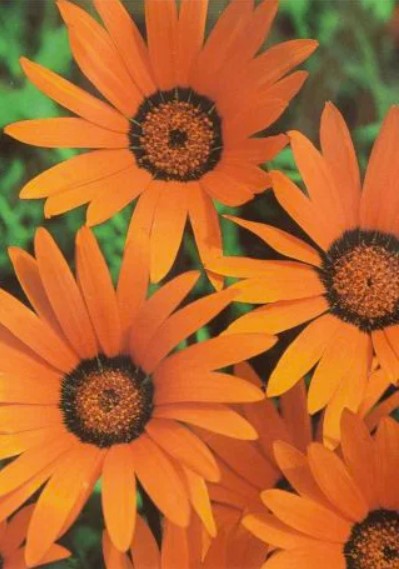
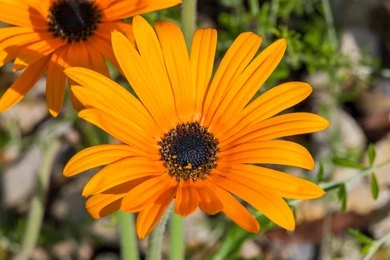
African Daisy Species
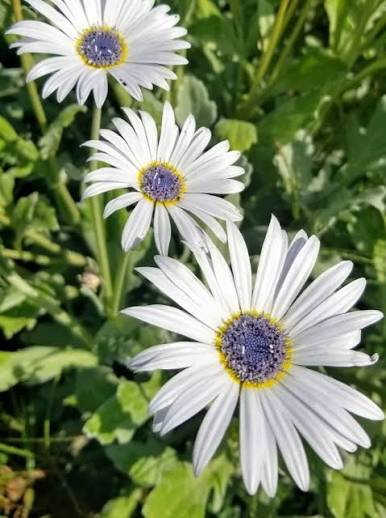
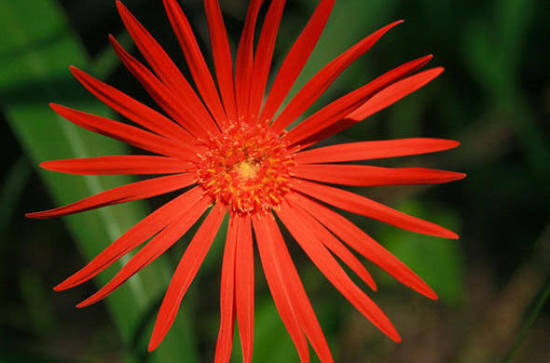
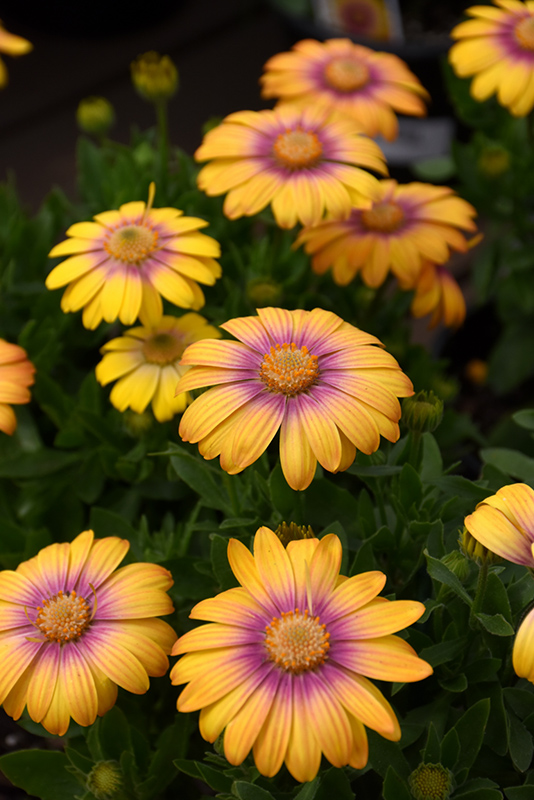
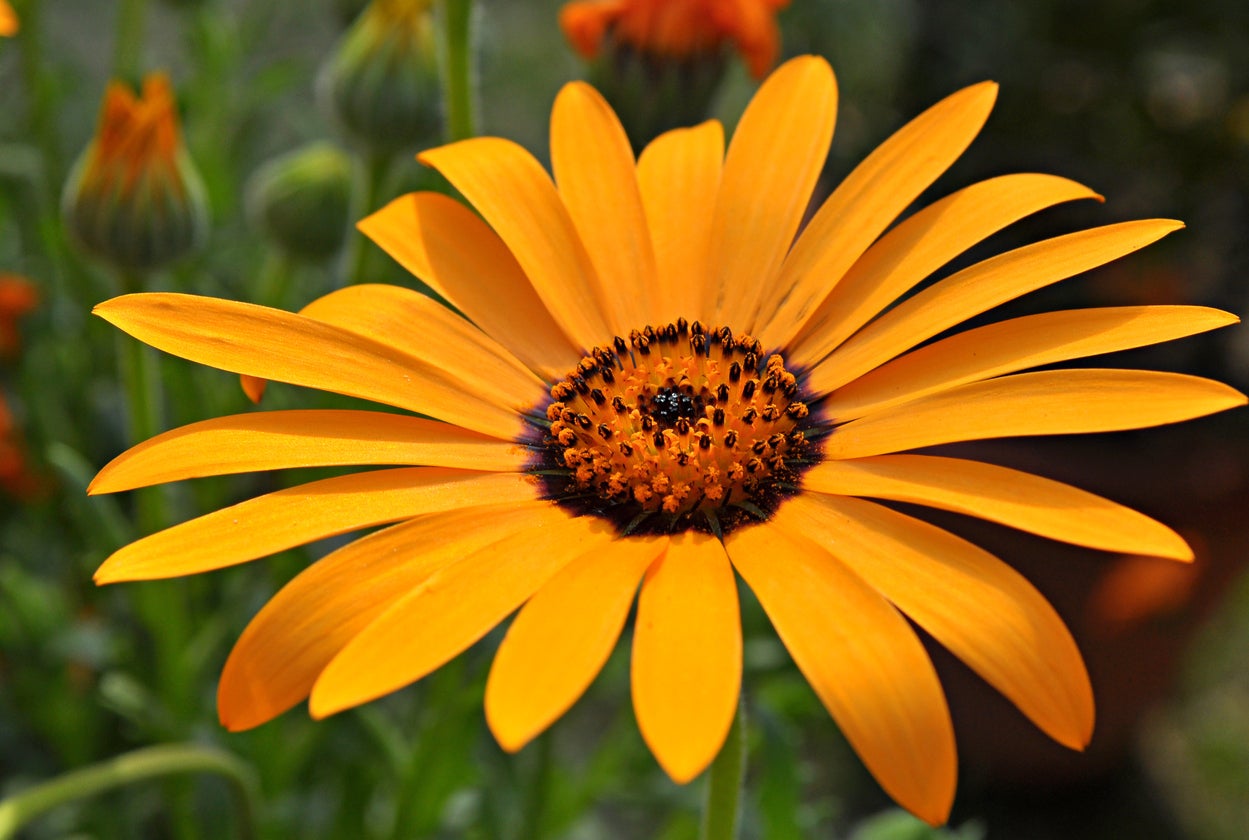
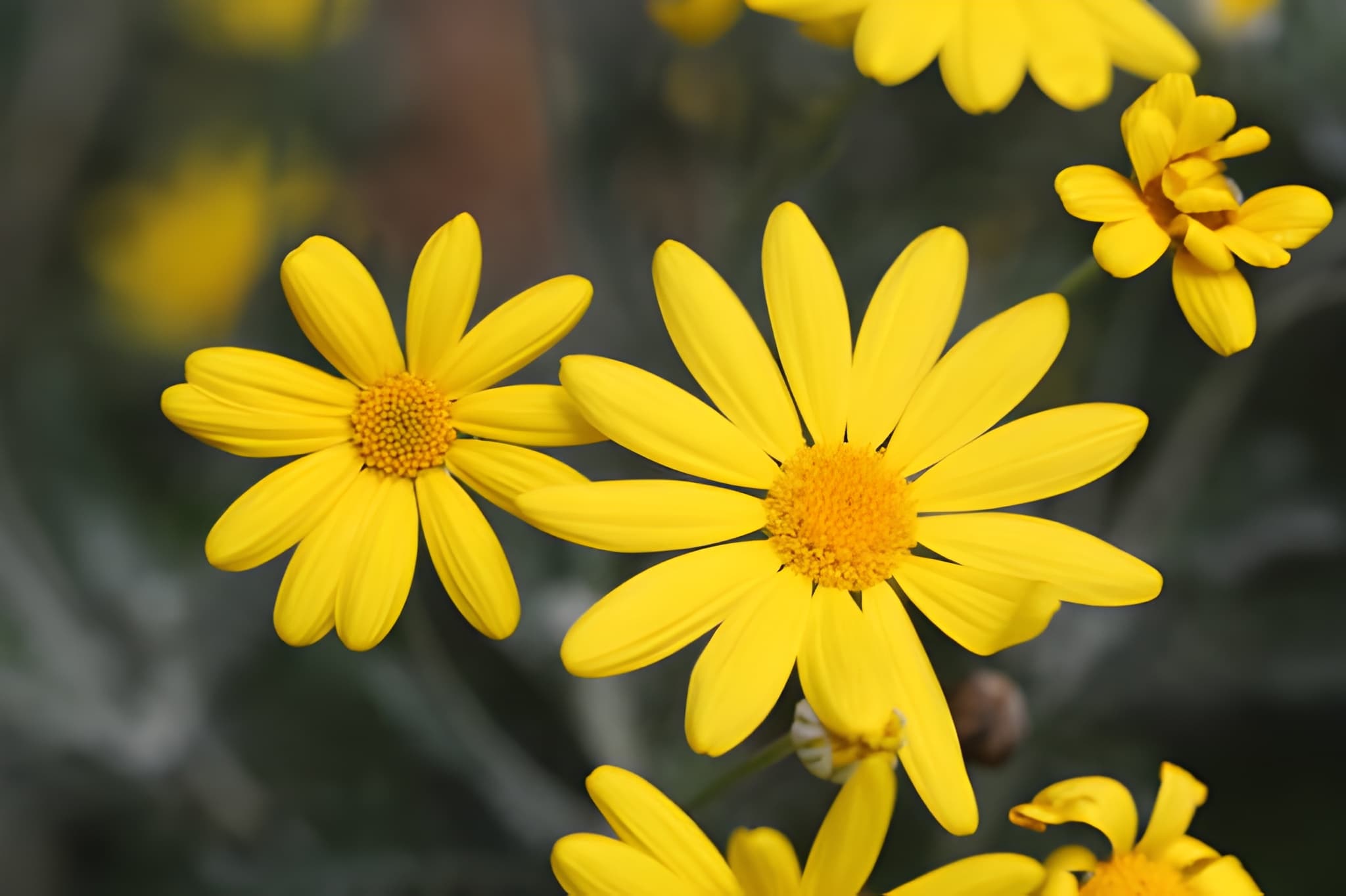
African daisies originated in southern Africa and include 9 species in the genera Arctotis and Gerbera. Most African daisies are heat-tolerant, drought-resistant, and produce striking color contrasts between their ray florets and disc centers. Flower heads close at night and on cloudy days.
Desert Daisy Species
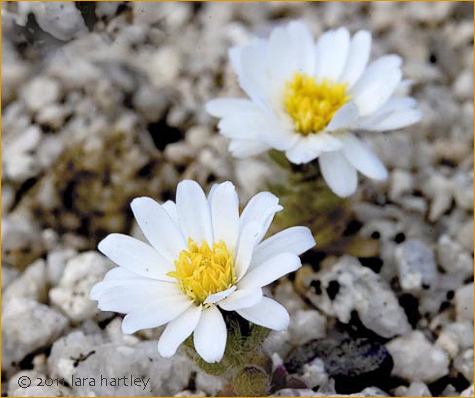
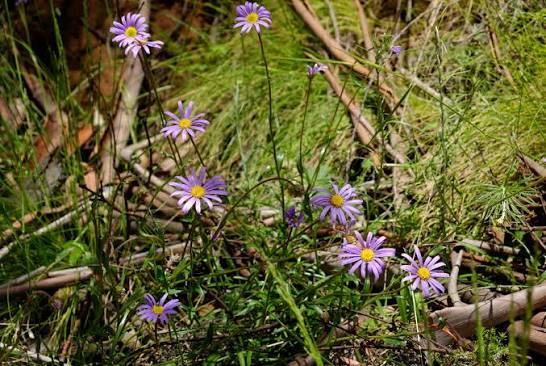
Desert daisies are drought-adapted species that thrive in arid climates with less than 10 inches (25 cm) of annual rainfall. These 3 species grow in the deserts of the southwestern United States and Australia.
How to Grow Daisies
Growing From Seeds
Start daisy seeds indoors 6–8 weeks before the last frost date, or sow directly outdoors after frost danger passes. Press seeds into the soil surface — most daisy seeds need light to germinate. Keep soil consistently moist at 65–75°F (18–24°C). Germination takes 10–21 days. Thin seedlings to 12–18 inches (30–45 cm) apart once they develop 2 sets of true leaves.
Growing From Division
Divide established perennial daisy clumps every 2–3 years in early spring or fall. Dig up the entire clump, separate it into sections with a sharp spade (each section should have 3–5 shoots and a healthy root mass), and replant immediately at the same soil depth. Water thoroughly after replanting. Division prevents overcrowding, rejuvenates flower production, and gives you free new plants.
Container Growing
Grow daisies in containers at least 12 inches (30 cm) wide and deep with drainage holes. Use a well-draining potting mix (50% potting soil, 25% perlite, 25% compost). Gerbera daisies, Marguerite daisies, and English daisies perform best in containers. Water containers when the top inch (2.5 cm) of soil feels dry. Fertilize container daisies every 2 weeks during the growing season with a balanced liquid fertilizer.
Daisy Care Guide
| Care Task | Frequency | Details |
|---|---|---|
| Watering | 1–2 times per week | 1 inch (2.5 cm) of water per week. Water at soil level, not overhead. Reduce watering in winter for perennials. |
| Fertilizing | Monthly (growing season) | Balanced 10-10-10 fertilizer or compost tea. Stop fertilizing 6 weeks before first frost. |
| Mulching | Spring and fall | Apply 2–3 inches (5–7 cm) of organic mulch around the base. Keeps roots cool, retains moisture, and suppresses weeds. |
| Deadheading | Weekly during bloom | Remove spent flower heads to redirect energy into new blooms. Cut the stem back to the nearest leaf node. |
| Pruning | Late fall or early spring | Cut perennial daisies back to 2–4 inches (5–10 cm) above ground level after foliage dies back in fall. |
| Dividing | Every 2–3 years | Divide clumps in early spring or fall to prevent overcrowding and rejuvenate flower production. |
Why Are My Daisies Not Blooming?
Daisies fail to bloom for 5 main reasons:
- Insufficient sunlight. Most daisies need 6+ hours of direct sun daily. Move container daisies to a sunnier spot or remove shade-causing obstructions.
- Over-fertilization with nitrogen. High-nitrogen fertilizers produce lush foliage at the expense of flowers. Switch to a high-phosphorus fertilizer (e.g., 5-10-5).
- Overcrowded clumps. Perennial daisies that haven't been divided in 3+ years produce fewer blooms. Divide the clump and replant with more spacing.
- Wrong season. First-year perennials from seed often don't bloom until their second year. Echinacea (Purple Coneflower) commonly takes 2 seasons.
- Improper pruning timing. Pruning daisies in spring removes developing flower buds. Prune only in late fall after blooming ends or in very early spring before new growth starts.
Are Daisies Safe for Pets?
Are Daisies Toxic to Cats?
Yes, daisies are mildly toxic to cats. The ASPCA lists several daisy family members as toxic to cats. Chrysanthemums, Painted daisies (Tanacetum coccineum), and Chamomile contain pyrethrins and sesquiterpene lactones that can cause vomiting, diarrhea, drooling, and skin irritation in cats. English daisies and Shasta daisies cause milder gastrointestinal upset.
Are Daisies Toxic to Dogs?
Yes, daisies are mildly toxic to dogs. Dogs that eat daisy leaves or flowers may experience vomiting, diarrhea, excessive drooling, and skin rashes. Chrysanthemums are the most toxic daisy species for dogs. Contact your veterinarian, if your pet eats a significant amount of daisy plant material and shows symptoms lasting longer than 24 hours.
Keep chrysanthemums and painted daisies away from cats and dogs. English daisies and Shasta daisies cause milder reactions but should still be placed out of reach of pets that chew on plants.
Companion Plants for Daisies
5 plants grow well alongside daisies because they share similar growing conditions and create complementary visual effects:
- Lavender (Lavandula). Purple lavender spikes contrast with white daisy petals. Both prefer full sun and well-drained soil. Lavender's strong scent repels aphids that attack daisies.
- Salvia. Blue and purple salvia flowers create a colour-rich backdrop behind shorter daisies. Salvia attracts hummingbirds that also pollinate daisies.
- Coneflowers (Echinacea). Coneflowers are daisies themselves, and their tall pink-purple blooms pair well with white Shasta daisies. Both attract butterflies and tolerate drought.
- Black-eyed Susan (Rudbeckia). Golden-yellow Black-eyed Susans bloom at the same time as Shasta daisies, creating a white-and-gold display. Both are low-maintenance perennials.
- Yarrow (Achillea). Flat-topped yarrow flower clusters in yellow, pink, or red complement daisy flower shapes. Yarrow attracts beneficial insects that control aphids and mites on daisies.
Daisy vs Similar Flowers
Frequently Asked Questions
Daisies grow on every continent except Antarctica. Most species prefer temperate climates with full sun and well-drained soil. In the United States, daisies grow in USDA zones 3–11 depending on species. English daisies thrive in zones 4–8, Shasta daisies in zones 4–9, and Gerbera daisies in zones 8–10.
Yes, Gerbera daisies, African daisies, and English daisies grow well in containers near south-facing windows with 6+ hours of direct sunlight daily. Use well-draining potting mix and water when the top inch of soil feels dry. Keep temperatures between 60–75°F (15–24°C).
Yes, daisies spread through self-seeding and underground rhizomes. Oxeye daisies and English daisies spread aggressively — 12 U.S. states classify them as invasive. Deadhead flowers before seeds mature and divide clumps every 2–3 years to control spreading.
Yes, daisies attract bees, butterflies, and other pollinators. A single flower head contains 50–200 disc florets, each producing nectar and pollen. The flat, open shape gives pollinators easy landing access. Shasta daisies, Echinacea, and Gloriosa daisies are the strongest pollinator attractors.
Perennial daisies survive winter in their rated USDA zones. Shasta daisies tolerate -30°F (-34°C). English daisies tolerate -20°F (-29°C). Gerbera daisies die below 30°F (-1°C). Protect perennials with 2–3 inches (5–7 cm) of mulch over the root zone after the first hard frost.
Daisies bloom across spring, summer, and fall depending on species. English daisies bloom in early spring (March–May). Shasta daisies bloom in early to mid-summer (June–August). Chrysanthemum daisies bloom in fall (September–November).
There are over 20,000 species in the Asteraceae (daisy) family across approximately 1,900 genera. Asteraceae is the second-largest flowering plant family on Earth. Common garden types include English, Shasta, Gerbera, Oxeye, African, Painted, and Coneflower daisies.